

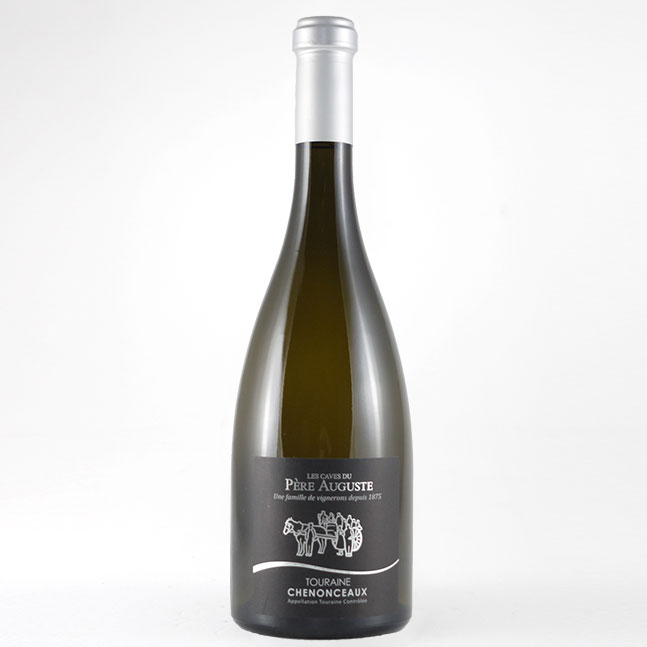
Touraine Chenonceaux White
AOC Touraine Chenonceaux White Wine – Prestige Cuvée
The Expression of an Exceptional Terroir in the Loire Valley Discover our Touraine Chenonceaux White, a cuvée that embodies all the expertise of the GODEAU family, winemakers in Civray-de-Touraine since 1875. Born from a rigorous parcel selection on our best slopes along the left bank of the Cher river, this 100% Sauvignon Blanc expresses with finesse the richness of our clay-limestone terroir.
Tasting Notes
-
Appearance: A pale gold robe with crystalline highlights, promising freshness.
-
Nose: A complex and elegant bouquet. It reveals the signature of Sauvignon on this terroir: notes of white flowers (hawthorn), ripe citrus, and a hint of minerality (flint) typical of the tuffeau limestone soil.
-
Palate: The attack is bold and fleshy. This wine stands out for its perfect balance between vibrant acidity and a lingering roundness. The finish is long, marked by notes of white-fleshed fruit.
Terroir and Winemaking (The Winemaker’s Expertise)
As Independent Winegrowers (Vignerons Indépendants), we take particular care with this cuvée:
-
Grape Variety: Sauvignon Blanc.
-
Soil: Clay-limestone slopes over tuffeau subsoil (the stone used to build the Loire Valley Châteaux).
-
Cultivation: Estate certified HVE (High Environmental Value), respecting the biodiversity of our 40 hectares of vines.
-
Aging: Long aging on fine lees to bring structure and a unique aromatic complexity.
Food & Wine Pairing & Advice
This Chenonceaux White is the ideal companion for your gastronomic moments:
-
Gastronomy: It beautifully enhances trout with almonds, seared sea scallops, or poultry in a cream sauce.
-
Local Pairing: A must with a Selles-sur-Cher or a Sainte-Maure de Touraine goat cheese.
-
Service: Enjoy chilled, between 10°C and 12°C.
-
Cellaring: A pleasure wine to drink now, or let evolve for 2 to 3 years in the cellar.
Why choose Père Auguste’s Chenonceaux?
By purchasing this bottle, you are supporting a 6-generation family estate located just 2 kilometers from the Château de Chenonceau. Each bottle tells the story of our passion for Loire wines.
Delivery from 12 bottles in many countries, check the list in the cart
Aging on lees: the secret to creaminess and fruitiness
At Caves du Père Auguste, the end of fermentation does not signal the end of the cellar work. To enhance our cuvées, particularly our Touraine Chenonceaux white wines, we practice aging on lees (élevage sur lies). This ancestral technique is essential for bringing structure, protection, and a unique aromatic complexity to our wines.
What exactly are the lees?
As the alcoholic fermentation draws to a close, the yeasts—having converted all the sugar into alcohol—finish their life cycle. They naturally settle at the bottom of the vat or barrel, forming a natural sediment known as “lees.”
There are generally two types of lees:
-
Gross lees: The heavier particles, which are often quickly removed to maintain the purity of the fruit.
-
Fine lees: These are the ones we carefully preserve. They remain in contact with the wine for several months, patiently enriching it.
The phenomenon of autolysis: when the magic happens
Aging on lees relies on a fascinating biological process: autolysis. As the yeast cell walls slowly break down, they release precious molecules (notably proteins and polysaccharides) into the wine.
This prolonged contact literally transforms the tasting experience:
-
Volume and richness on the palate: The lees provide a silky texture and a creaminess that balances the natural acidity of Loire grape varieties.
-
Expression of the fruit: Contrary to what one might think, lees do not mask the fruit; they support it, giving it more depth and persistence.
-
Aromatic complexity: They often reveal notes of ripe fruit, flowers, and even light brioche touches that are the signature of our finest cuvées.
Natural protection for our wines
Beyond sensory pleasure, aging on lees is a valuable ally for preservation. The lees consume residual oxygen, acting as a natural antioxidant. This allows us to limit the addition of sulfites (SO2) while preserving the wine’s chromatic and aromatic freshness.
The winemaker’s touch: batonnage
To optimize this exchange between the lees and the wine, we sometimes practice batonnage (stirring). This technique involves putting the lees back into suspension using a rod. This movement allows the wine to “feed” more intensely on its fine lees, further strengthening its character and roundness.
Additional information
| Weight | 1 kg |
|---|
Related products
Touraine Primeur 2026
Disponible le jeudi 19 novembre 2026 : vous pouvez le réserver dès…
Touraine Chenonceaux Red
Touraine Chenonceaux Red Old Vines Cuvée - Côt and Cabernet Franc The…
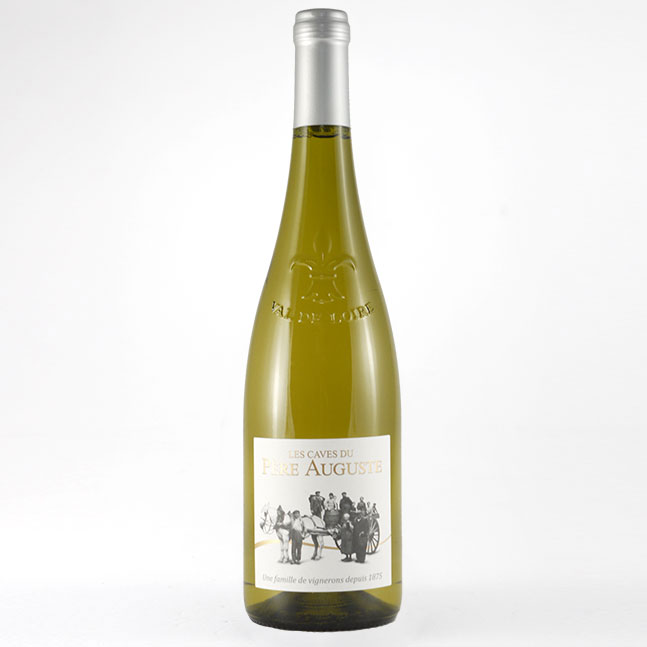
Sauvignon
Sauvignon Blanc AOC Touraine - Freshness and Fruity Aromas The radiance of…
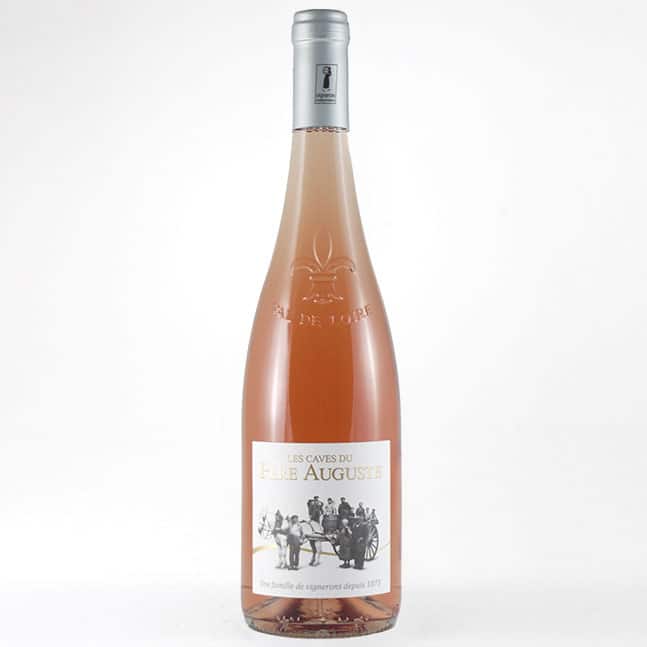
Rosé Sec
Dry Rosé Wine AOC Touraine - Freshness and Fruit The vivid and crisp…
Rosé 1/2 sec “Pastourelle”
Medium-dry Rosé Wine - Cuvée "Pastourelle" - IGP Val de Loire The…
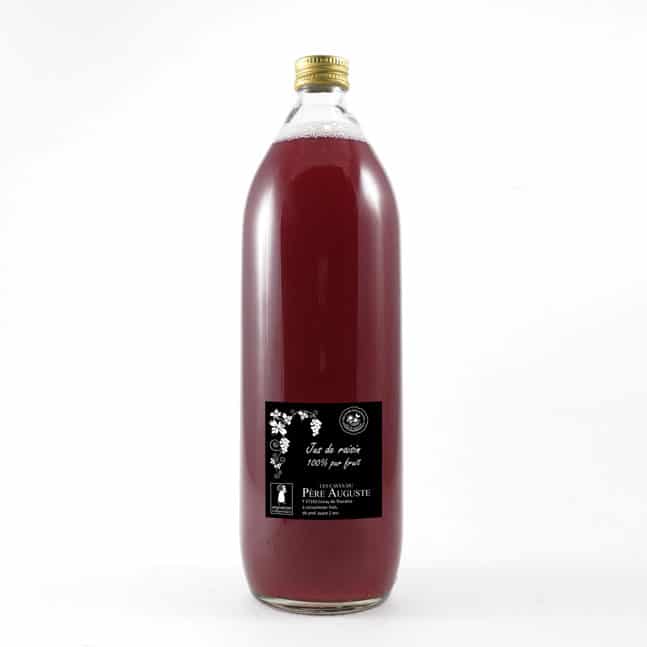
Grape juice
100% pure natural grape juice obtained very simply, out of the press it…
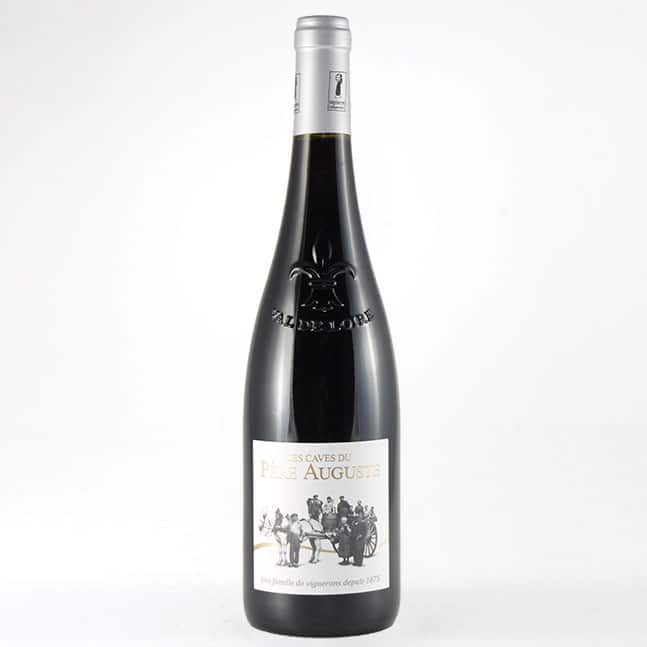
Gamay
Gamay AOC Touraine Red Wine - Supple, Fresh and Fruity The sheer pleasure…
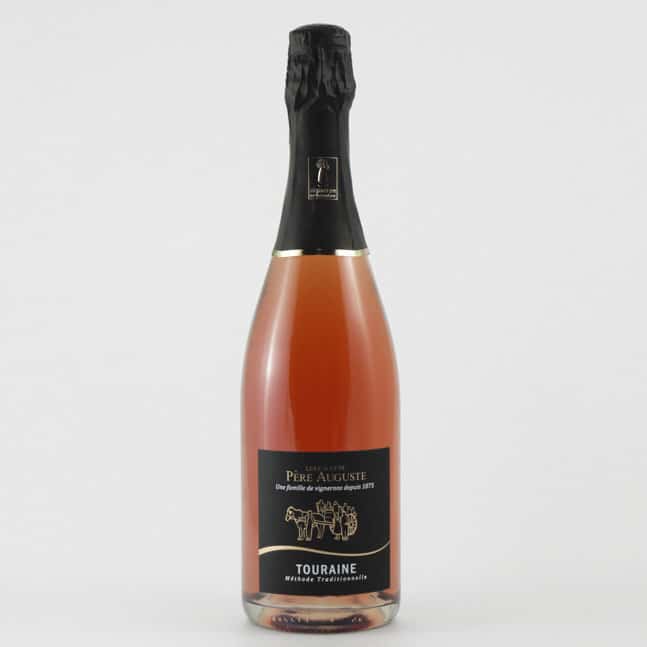
Fines bulles Rosé (Brut ou demi-sec)
Sparkling Rosé Wine - Traditional Method - Loire Valley See life in pink,…
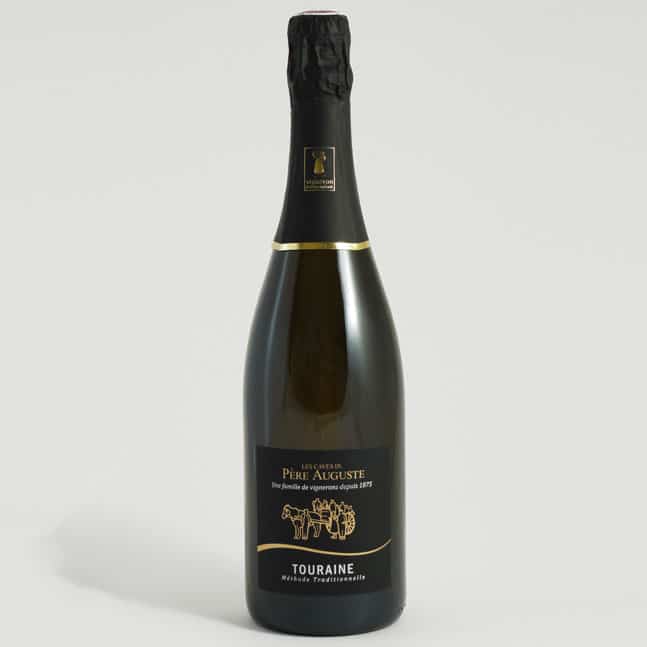
Fines bulles Blanc (Brut ou demi-sec)
Fine Bubbles White Sparkling Wine - Traditional Method AOC Touraine The…
Côt “Les Marreux”
Red Wine Côt AOC Touraine - Cuvée "Les Marreux" The Strength and Heritage…
Chenin Dry
Dry Chenin White Wine AOC Touraine - Freshness and Terroir The elegance of…
Chenin 1/2 sec “Damoiselle”
Medium-Dry Chenin White Wine - "Damoiselle" Cuvée - IGP Val de Loire The…
Cabernet Franc “Les Tailleux”
Cabernet Franc Red Wine "Les Tailleux" AOC Touraine - Structure and…
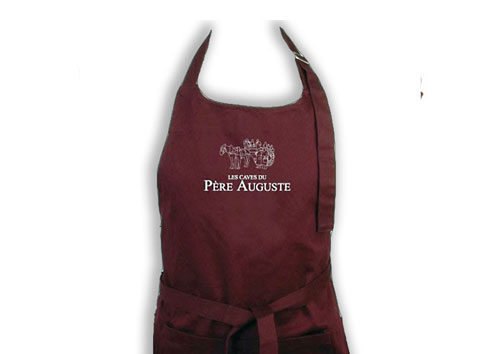
Apron
Robust cotton apron embroidered with our logo. Only in burgundy red. One…
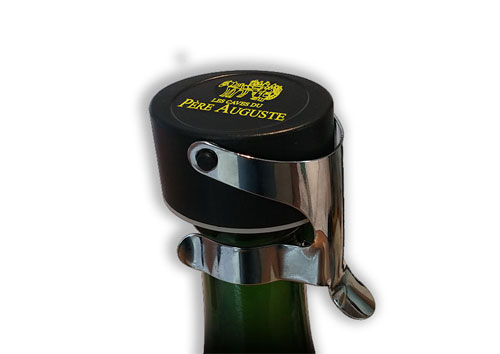
Champagne cork
Keep the bubbles and freshness of your sparkling wines longer!
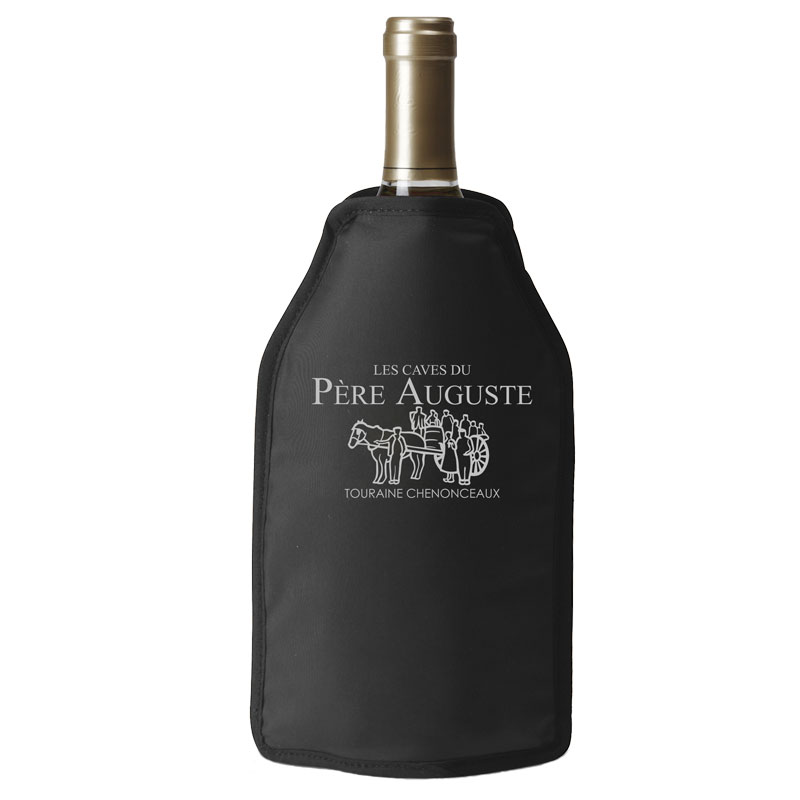
Bottle cooler
Just put it in the freezer. This cooler slips around a bottle and will…
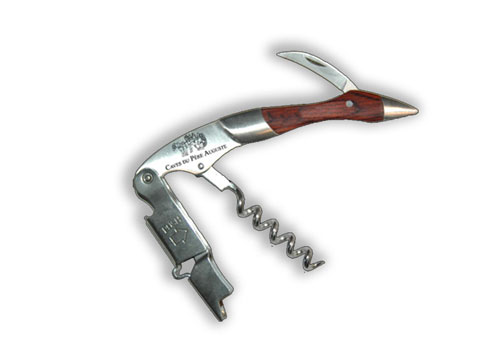
Corkscrew
No cork can resist the force of a sommelier's lever with two points of…
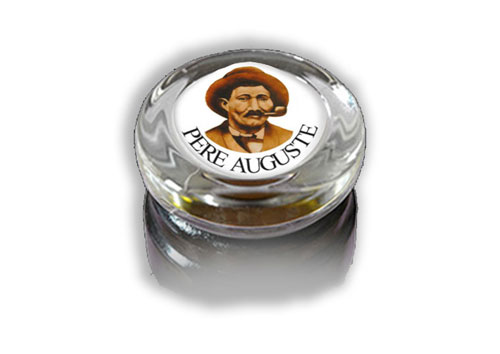
Glass cork
Ideal for closing your wine bottles (except sparkling).
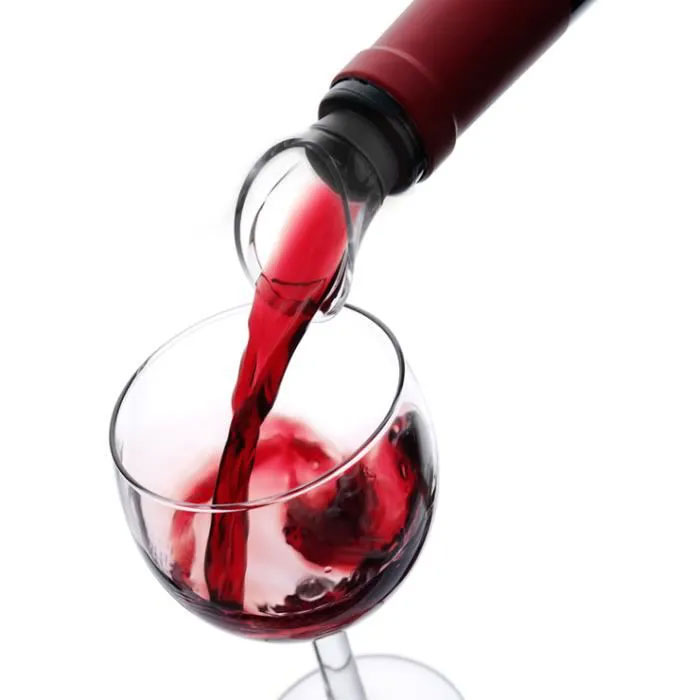
Stop-drop
Pour your wines without a single drop on the table thanks to a double…
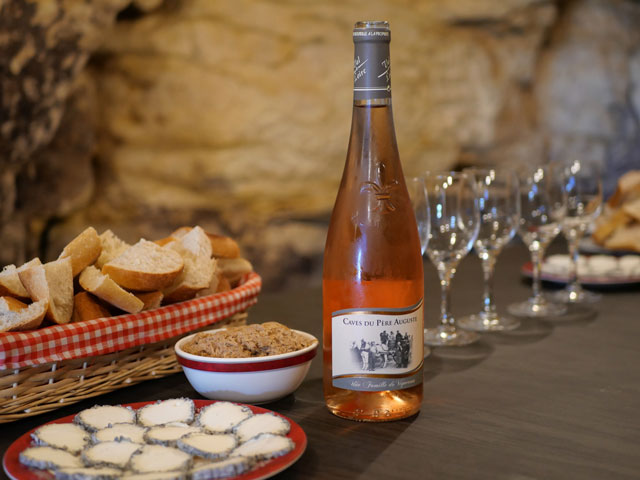
The visit of gourmets (Gift voucher)
Treat a loved one and offer them a tasting visit with an Independent…
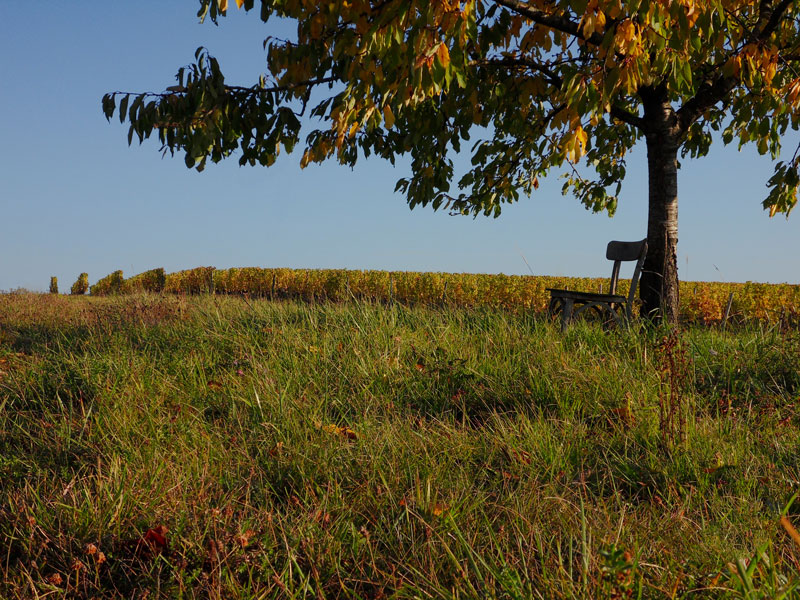
Discovery of the vineyard
On the program, stories, technique, passion, a meeting and of course…
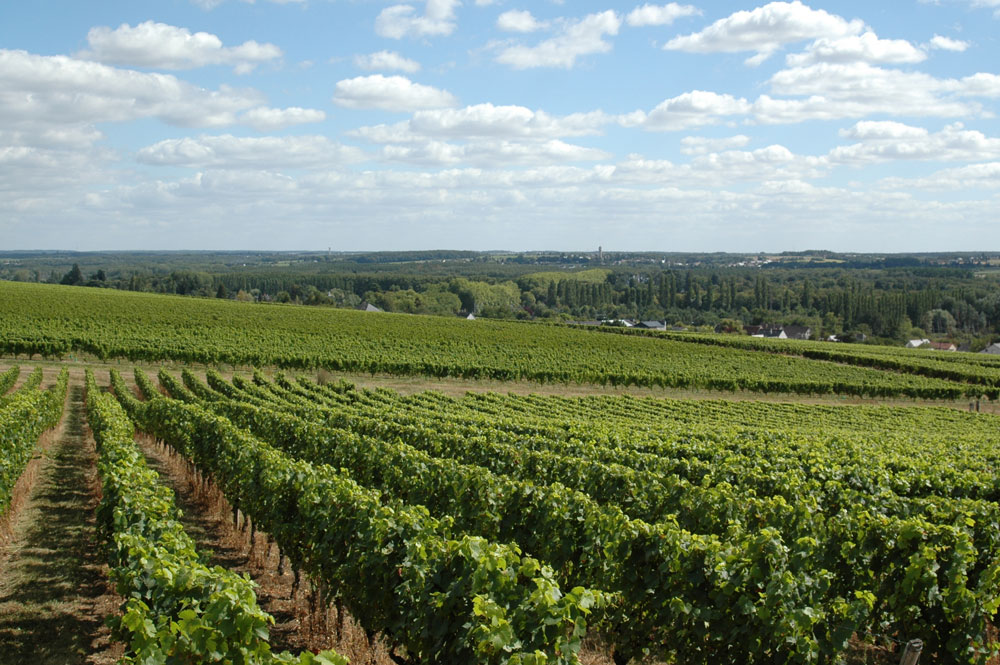
The all thing
On the program, stories, technique, passion, a meeting and of course…
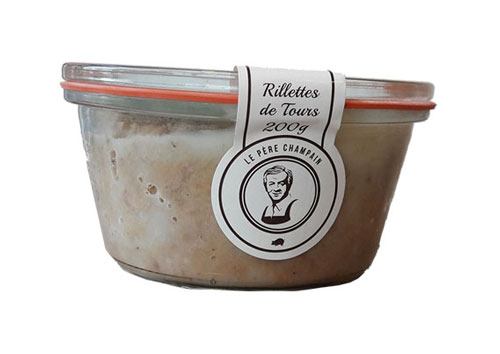
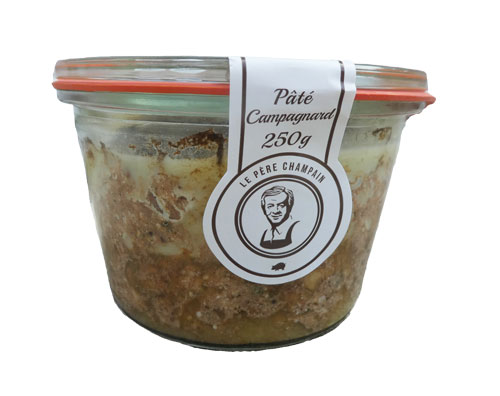
Pâté de Campagne
Weight 250 grams Classic recipe for Pork Pâté, very slightly spicy…
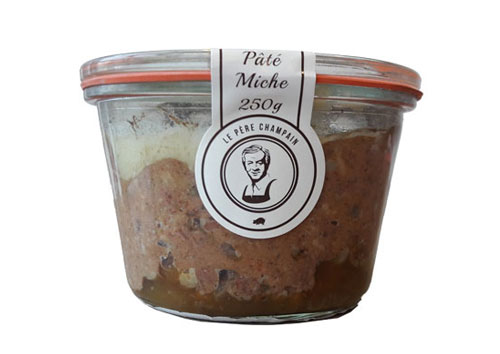
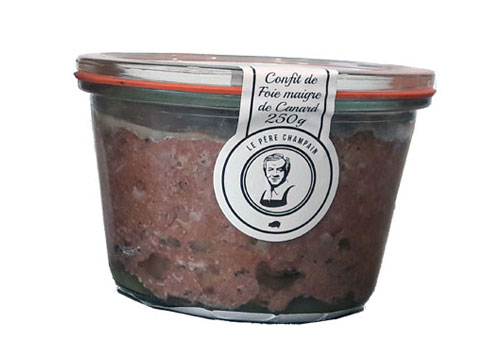
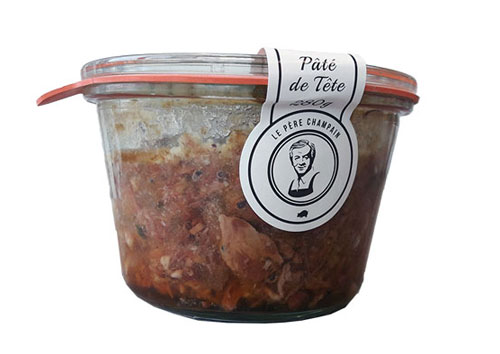
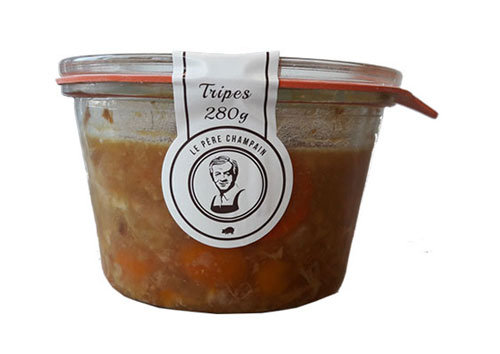
Tripes au vin blanc Vouvray
Weight: 280 grammes