

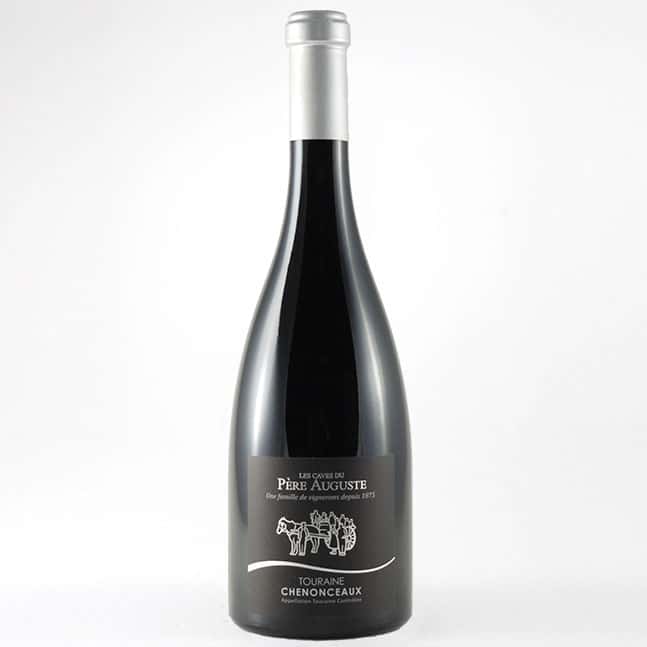
Touraine Chenonceaux Red
Touraine Chenonceaux Red
Old Vines Cuvée – Côt and Cabernet Franc
The Elegance of a Great Loire Valley Wine The result of rigorous selection and expertise passed down through 6 generations, our Touraine Chenonceaux Red is the most accomplished expression of our terroir. This prestigious appellation, renowned for its strict quality standards, offers complex and structured wines that rival the finest names in the Loire Valley.
Tasting Notes
-
Appearance: A brilliant, deep ruby robe with purple highlights, reflecting a beautiful concentration.
-
Nose: A rich and complex bouquet blending small black fruits (blackberry, black cherry) with delicate spicy or minty notes, characteristic of the Cabernet-Côt blend.
-
Palate: Remarkable balance. The attack is silky, followed by a fine and elegant tannic structure. The finish is long and flavorful, leaving a sensation of fullness and freshness.
Terroir Secrets & Blending
To earn the Touraine-Chenonceaux appellation, this cuvée follows an exceptional journey:
-
Grape Varieties: A harmonious marriage of Cabernet Franc (for elegance and finesse) and Côt (the local Malbec, for structure and color).
-
Terroir: Our best parcels located on the upper slopes, where sunshine and “tuffeau” limestone soil ensure optimal ripeness.
-
Quality Standards: Harvested at full maturity with controlled yields to guarantee superior aromatic concentration.
-
Certification: Estate committed to HVE (High Environmental Value).
Food & Wine Pairing: A Gastronomic Cuvée
This prestigious red wine deserves dishes that match its stature:
-
Red meats: Beef Wellington, slow-cooked lamb shoulder, or duck breast with cherries.
-
Traditional dishes: Coq au vin or a classic Boeuf Bourguignon.
-
Cheeses: Ideal with flavorful cheeses, such as aged Comté or vintage Cantal.
-
Service: Serve between 16°C and 17°C (60-62°F). We recommend opening it 1 hour before tasting to release its full potential.
Delivery from 12 bottles in many countries, check the list in the cart
Malolactic fermentation
Malolactic fermentation: the secret to the balance of our red wines
While alcoholic fermentation is the most well-known stage of winemaking, malolactic fermentation (MLF) is an equally crucial step, particularly for crafting the fine red wines of Domaine du Père Auguste. Often called “the malo” by winemakers, it transforms the wine’s sensory profile.
What is malolactic fermentation?
Once the yeasts have finished their work of converting sugars into alcohol, a second biological transformation occurs. Unlike the first, it is not caused by yeasts, but by lactic acid bacteria (mainly Oenococcus oeni).
The principle is simple yet essential: these bacteria consume the malic acid naturally present in the grapes (a sharp acid, reminiscent of green apples) to transform it into lactic acid (a much softer acid, similar to that found in milk).
Why is this stage vital for our wines?
Malolactic fermentation is not just a simple chemical reaction; it brings three major benefits to the wine’s structure:
-
Reduction of acidity: By replacing a strong acid with a weak one, the wine loses its biting sharpness and gains roundness.
-
Biological stability: Once the bacteria have consumed the malic acid, the wine is “biologically stable.” This prevents unwanted fermentation from occurring later, once the wine is bottled.
-
Softening and aromatic complexity: Beyond the texture, MLF develops more complex and rich aromas, with buttery, milky, or brioche notes that enhance the wine’s bouquet.
Temperature: the key factor for successful winemaking
The “malo” is a delicate process that requires constant monitoring in the cellar. Lactic acid bacteria are much more temperamental than yeasts.
The most critical parameter remains the cellar temperature. For the bacteria to activate, the wine must be kept within a precise range, generally between 18°C and 22°C.
-
Too cold: Fermentation stagnates, leaving the wine vulnerable to spoilage.
-
Too hot: There is a risk of developing undesirable bacteria that could harm the aromatic quality (lactic taint).
At Caves du Père Auguste, we pay special attention to this thermal control to ensure that each cuvée expresses the finesse of its terroir while maintaining a harmonious structure.
Additional information
| Weight | 1 kg |
|---|
Related products
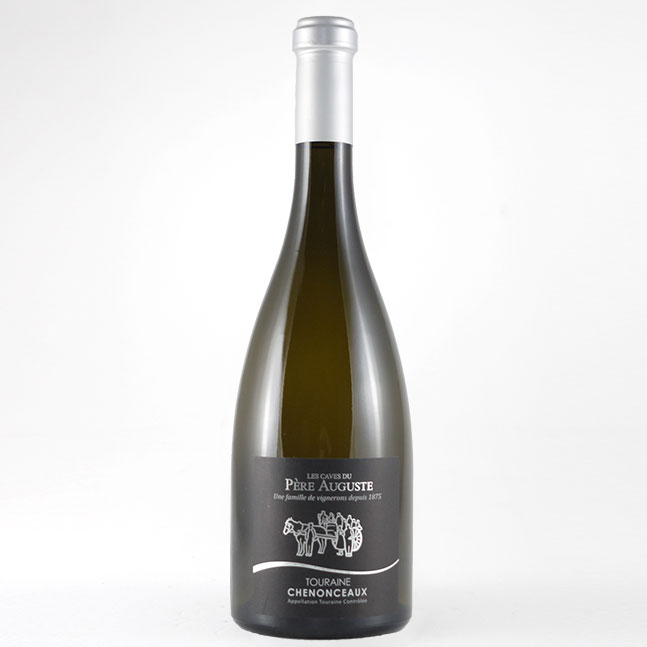
Touraine Chenonceaux White
AOC Touraine Chenonceaux White Wine - Prestige Cuvée The Expression of an…
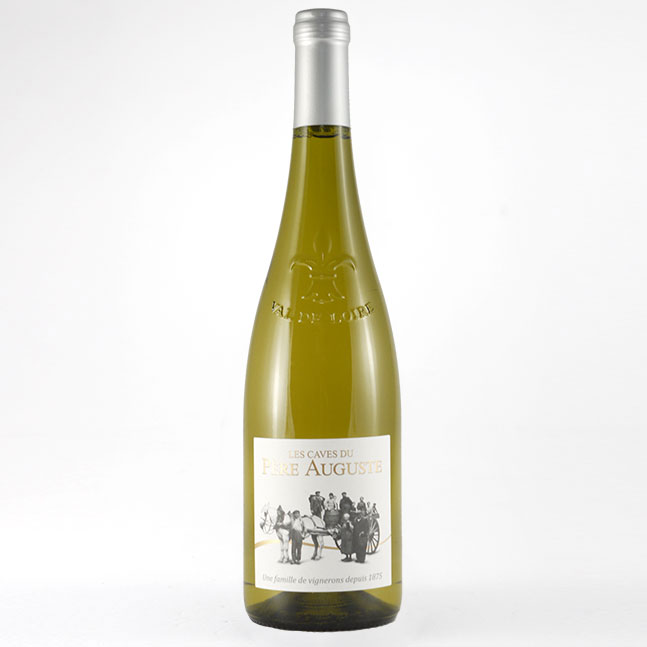
Sauvignon
Sauvignon Blanc AOC Touraine - Freshness and Fruity Aromas The radiance of…
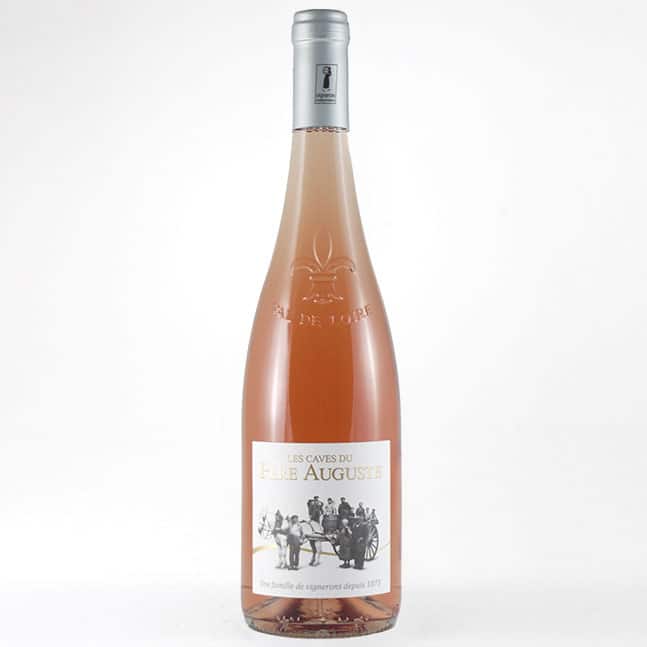
Rosé Sec
Dry Rosé Wine AOC Touraine - Freshness and Fruit The vivid and crisp…
Rosé 1/2 sec “Pastourelle”
Medium-dry Rosé Wine - Cuvée "Pastourelle" - IGP Val de Loire The…
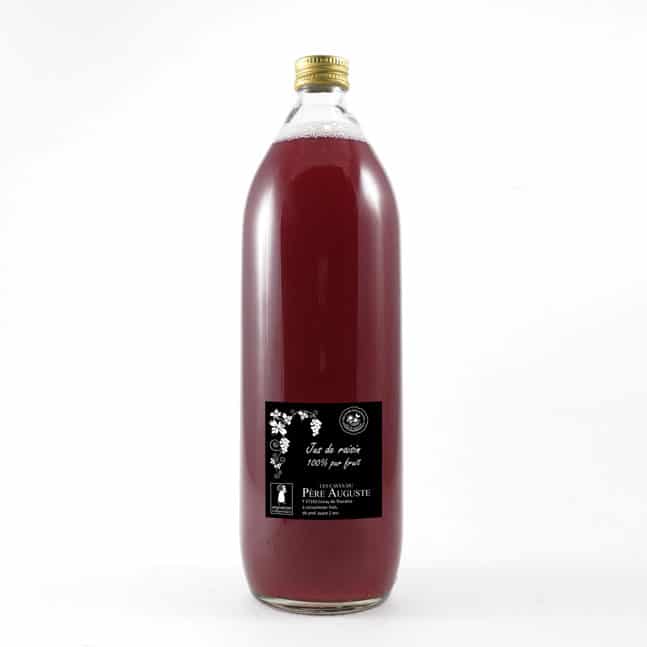
Grape juice
100% pure natural grape juice obtained very simply, out of the press it…
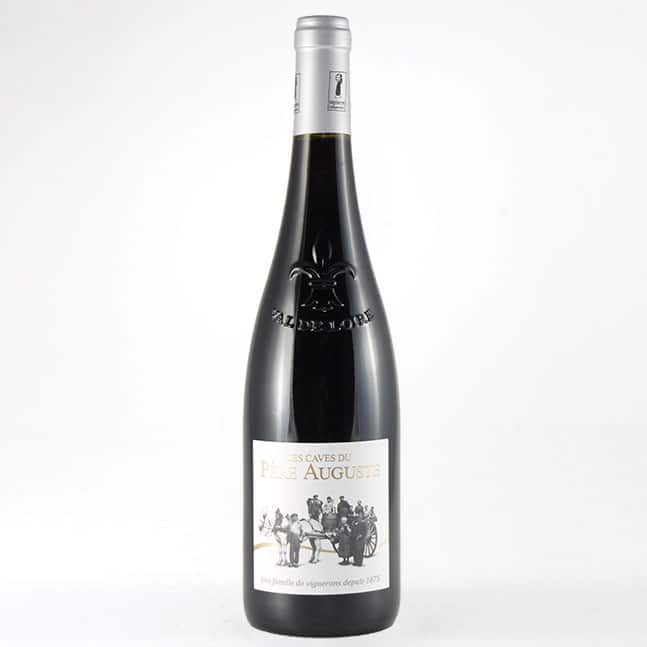
Gamay
Gamay AOC Touraine Red Wine - Supple, Fresh and Fruity The sheer pleasure…
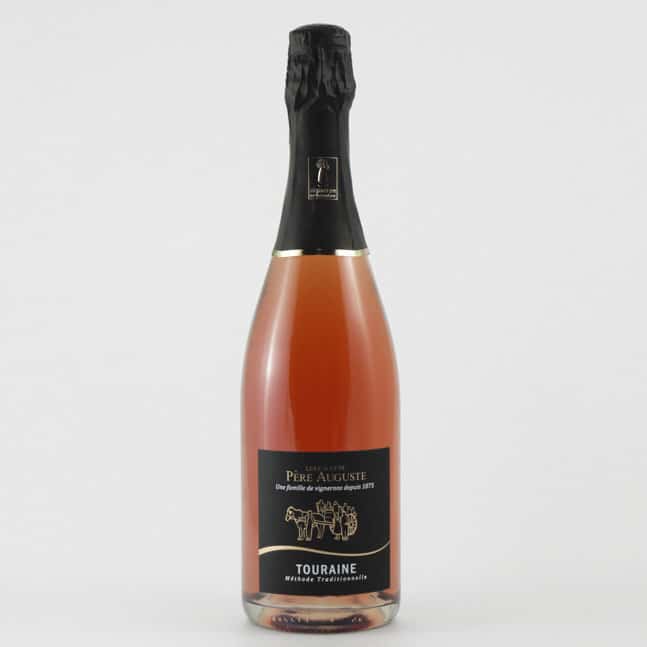
Fines bulles Rosé (Brut ou demi-sec)
Cépage : Grolleau 70%, Cabernet 30% Elaborées selon la méthode…
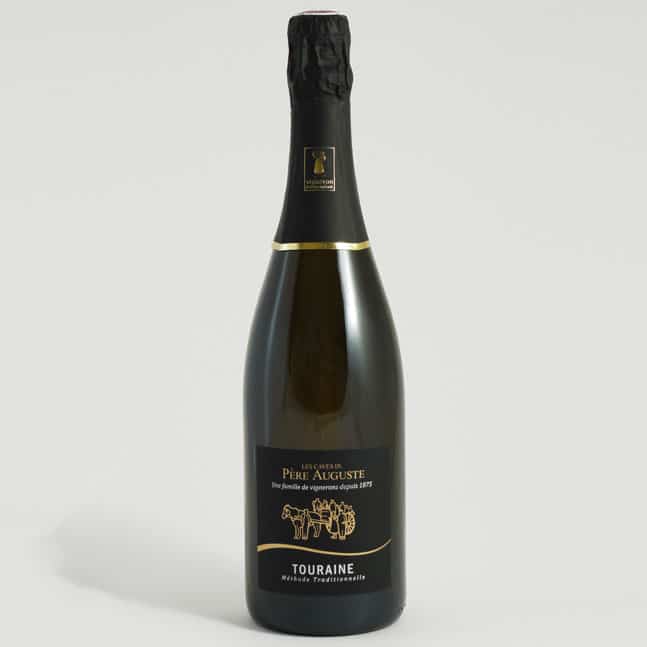
Fines bulles Blanc (Brut ou demi-sec)
Fine Bubbles White Sparkling Wine - Traditional Method AOC Touraine The…
Côt “Les Marreux”
Red Wine Côt AOC Touraine - Cuvée "Les Marreux" The Strength and Heritage…
Chenin Dry
Dry Chenin White Wine AOC Touraine - Freshness and Terroir The elegance of…
Chenin 1/2 sec “Damoiselle”
Medium-Dry Chenin White Wine - "Damoiselle" Cuvée - IGP Val de Loire The…
Cabernet Franc “Les Tailleux”
Cabernet Franc Red Wine "Les Tailleux" AOC Touraine - Structure and…
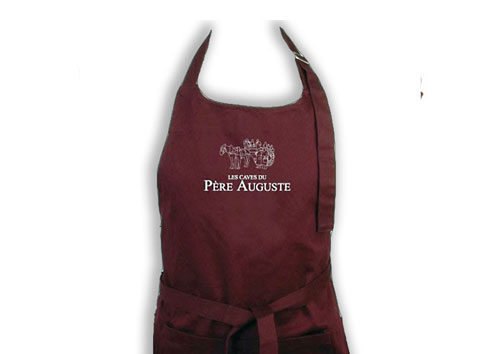
Apron
Robust cotton apron embroidered with our logo. Only in burgundy red. One…
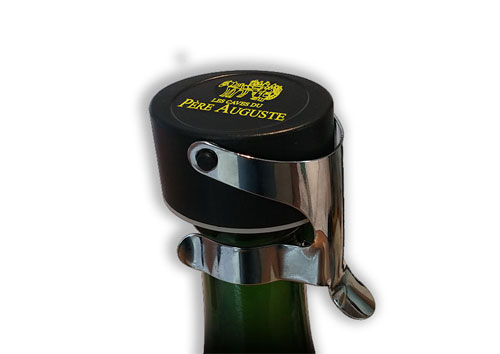
Champagne cork
Keep the bubbles and freshness of your sparkling wines longer!
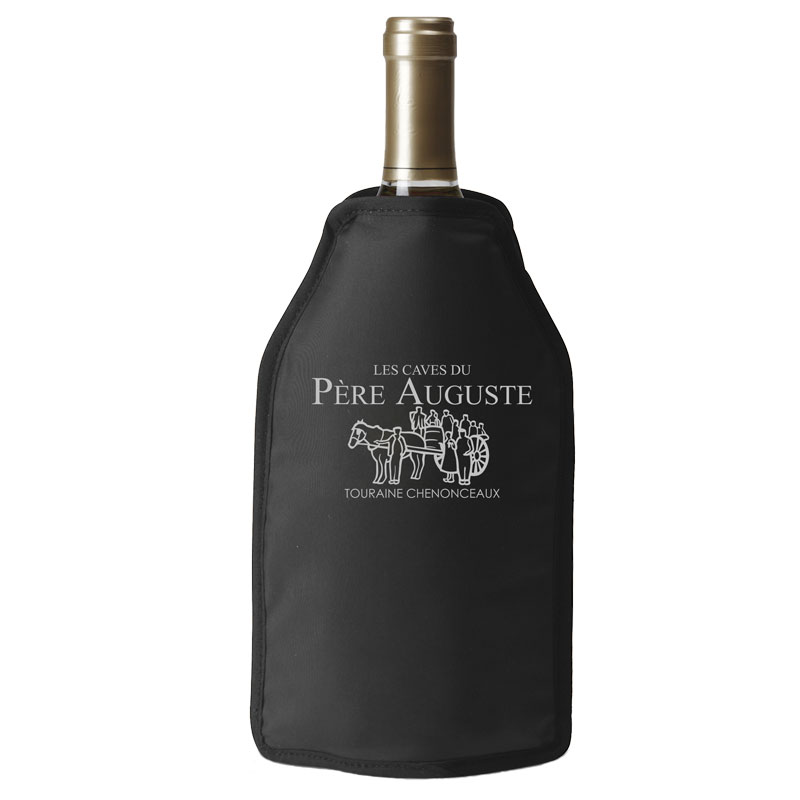
Bottle cooler
Just put it in the freezer. This cooler slips around a bottle and will…
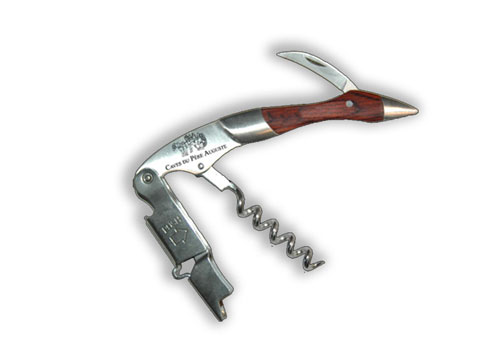
Corkscrew
No cork can resist the force of a sommelier's lever with two points of…
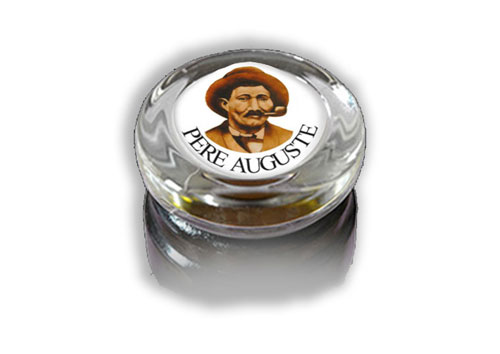
Glass cork
Ideal for closing your wine bottles (except sparkling).
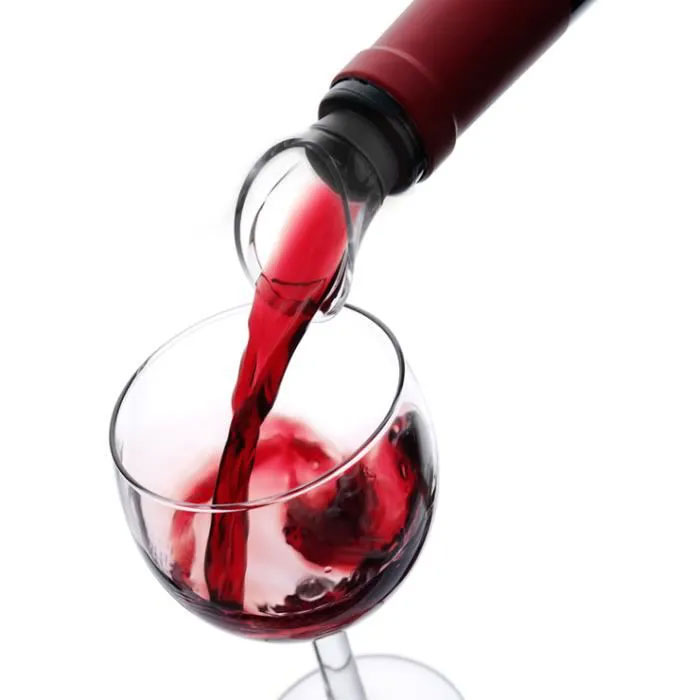
Stop-drop
Pour your wines without a single drop on the table thanks to a double…
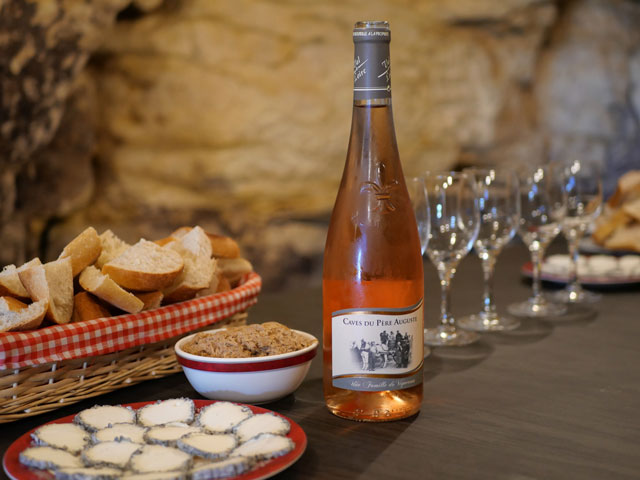
The visit of gourmets (Gift voucher)
Treat a loved one and offer them a tasting visit with an Independent…
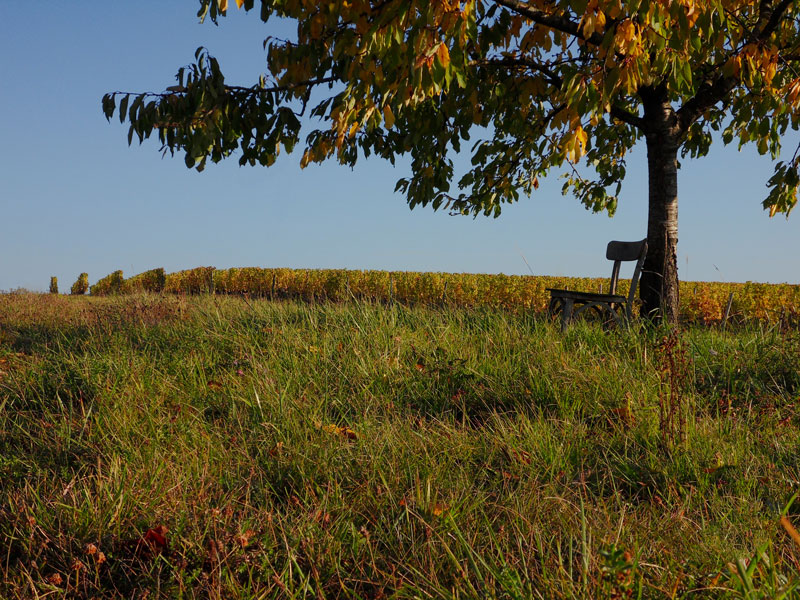
Discovery of the vineyard
On the program, stories, technique, passion, a meeting and of course…
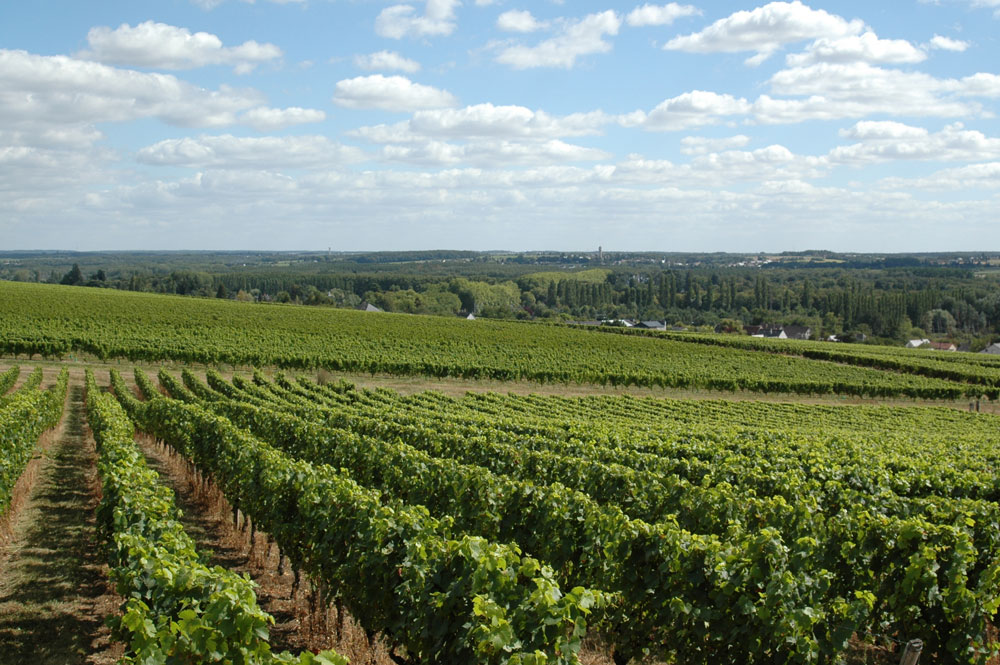
The all thing
On the program, stories, technique, passion, a meeting and of course…
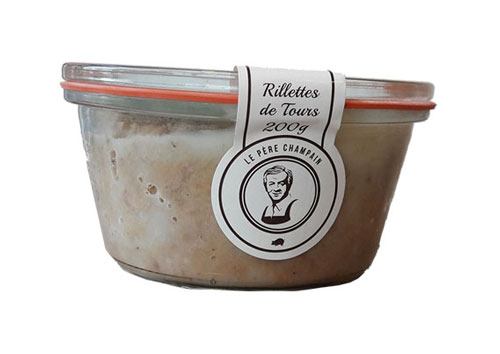
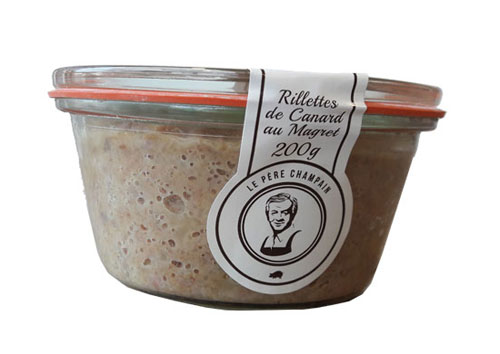
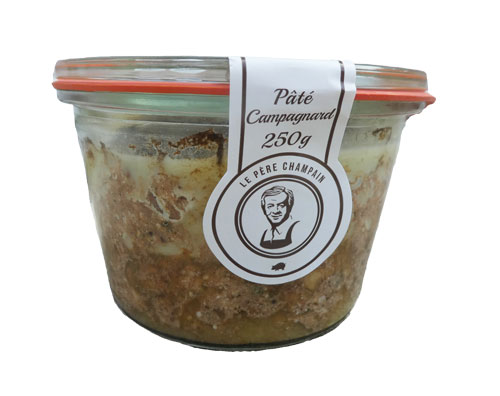
Pâté de Campagne
Weight 250 grams Classic recipe for Pork Pâté, very slightly spicy…
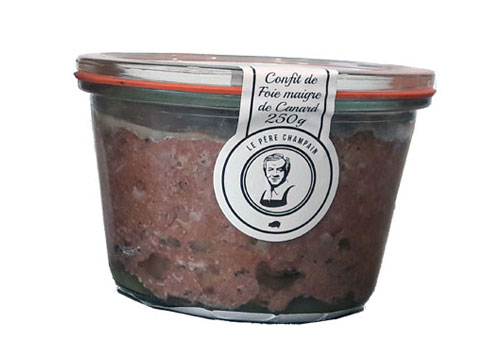
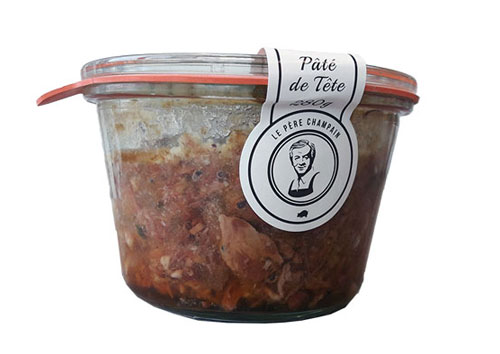
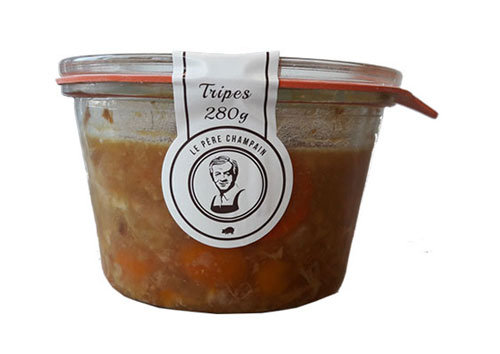
Tripes au vin blanc Vouvray
Weight: 280 grammes