

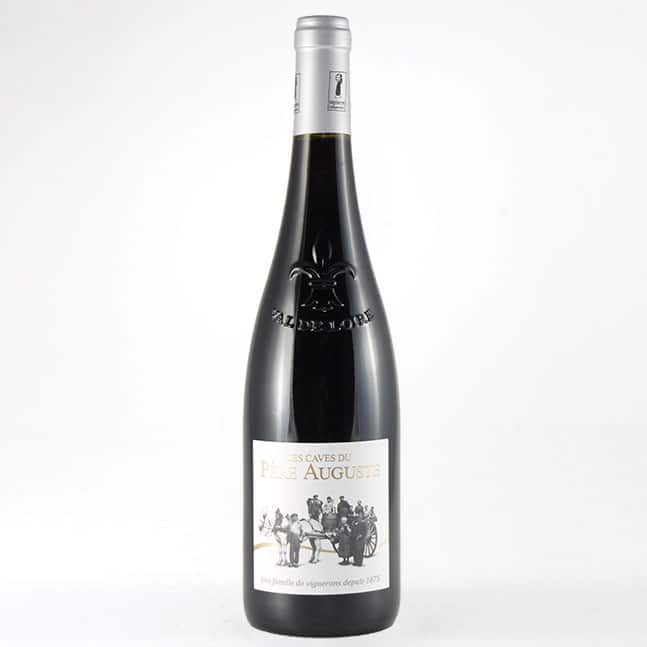
Cabernet Franc “Les Tailleux”
Cabernet Franc Red Wine “Les Tailleux” AOC Touraine – Structure and Finesse
The authentic expression of Touraine Cabernet Franc. Our cuvée “Les Tailleux” is the result of a rigorous selection of our Cabernet Franc parcels. This iconic Loire Valley grape variety finds a remarkable balance here. Between notes of black fruits and an elegant structure, it is a red wine with character that reflects the richness of our clay-limestone soils. A wine for sharing that will delight lovers of structured and fragrant red wines.
Tasting Notes
-
Appearance: A deep robe, a sustained garnet red with purple highlights.
-
Nose: A complex and seductive bouquet where ripe red fruits (cherry, raspberry) blend with notes of black fruits (blackberry), with a characteristic touch of ripe red bell pepper and violet.
-
Palate: A bold and harmonious attack. The structure is supported by fine, well-integrated tannins, offering a beautiful aromatic persistence. An elegant finish that highlights the ripeness of the grapes and the typicality of the Civray-de-Touraine terroir.
Terroir and Winemaking
The GODEAU family pays particular attention to the ripeness of this cuvée:
-
Grape Variety: 100% Cabernet Franc.
-
Terroir: Selected parcels on the slopes, benefiting from optimal exposure for perfect tannin ripeness.
-
Winemaking: Traditional long maceration to extract color and structure while preserving the finesse of the fruit. Careful aging in vats to refine the tannins before bottling.
-
Commitment: Estate certified HVE (High Environmental Value).
Food & Wine Pairing: A wine for your finest tables
“Les Tailleux” is a gastronomic wine par excellence:
-
Meats: Ideally accompanies grilled rib of beef, leg of lamb with herbs, or duck breast.
-
Local Dishes: Pairs perfectly with our Duck liver confit or traditional salt pork with lentils.
-
Cheeses: Will sublimate platters of aged cheeses, such as Cantal or Saint-Nectaire.
-
Service: Serve between 16°C and 17°C. Do not hesitate to uncork it slightly in advance to allow its aromas to flourish.
A Word from the GODEAU Family
“The ‘Les Tailleux’ cuvée reflects our deep connection to Cabernet Franc. We wanted a balanced wine: it has enough structure to accompany fine meat dishes, yet retains the elegance and fruitiness that make the great Loire reds so charming.”
Delivery from 12 bottles in many countries, check the list in the cart
From grapes to wine (red)
How does a clear-juiced fruit become a deep, intense, and structured purple wine? At Domaine du Père Auguste, red winemaking is a work of patience and precision, where every decision made by the winemaker influences the color, tannins, and the final bouquet of the cuvée.
The skin: the reservoir of color and structure
The first thing to know is that, whether dealing with white or black grapes, the juice contained in the pulp is almost always colorless. The secret of the red color lies exclusively in the skin (pellicle) of the grape berry.
It is within this skin that two fundamental elements are hidden:
-
Anthocyanins: These are the natural pigments that give the wine its color, ranging from brilliant ruby to deep purple.
-
Tannins: These molecules provide the wine with its structure, mouthfeel, and aging potential.
Maceration: the key stage of extraction
To transfer these components from the skin to the juice, we practice skin contact maceration. Unlike white wine, which is pressed immediately, red wine is created through prolonged contact between the liquid and solid phases.
Once the grapes are placed in vats, alcoholic fermentation begins, and the alcohol produced acts as a solvent that helps extract tannins and color. Depending on the type of wine sought at the Domaine, this period can last from one to four weeks:
-
Short maceration: For supple, fruity, and easy-to-drink wines.
-
Long maceration: For our age-worthy cuvées, which are richer, more complex, and full-bodied.
The winemaker’s work: punching down and pumping over
During this maceration, the skins rise to the surface and form what is called the “cap” (chapeau de marc). To extract the best from the grapes, we must put these skins back in contact with the juice:
-
Pumping over (Remontage): Juice is pumped from the bottom of the vat and poured over the top.
-
Punching down (Pigeage): The cap is gently pushed down into the juice.
Pressing and running off
Once the balance between color, aromas, and tannins is deemed perfect, we proceed to running off (écoulage). We then separate:
-
Free-run wine: The juice that flows naturally from the vat, often the most refined.
-
Press wine: Obtained by pressing the remaining skins, it is richer in tannins and color.
The blending of these two juices, followed by aging, gives birth to our characteristic red wines of the Loire terroir, combining finesse and character.
Additional information
| Weight | 1 kg |
|---|
Related products
Gamay
From 6,60€ ttc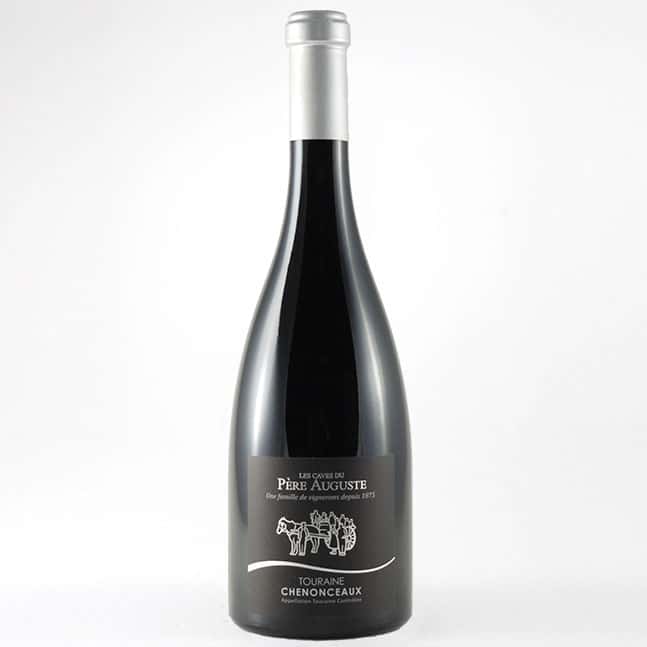
Touraine Chenonceaux Red
From 9,40€ ttcTouraine Chenonceaux Red
Touraine Chenonceaux Red Old Vines Cuvée - Côt and Cabernet Franc The…
Touraine Chenonceaux White
AOC Touraine Chenonceaux White Wine - Prestige Cuvée The Expression of an…
Sauvignon
Sauvignon Blanc AOC Touraine - Freshness and Fruity Aromas The radiance of…
Rosé Sec
Dry Rosé Wine AOC Touraine - Freshness and Fruit The vivid and crisp…
Rosé 1/2 sec “Pastourelle”
Medium-dry Rosé Wine - Cuvée "Pastourelle" - IGP Val de Loire The…
Grape juice
100% pure natural grape juice obtained very simply, out of the press it…
Gamay
Gamay AOC Touraine Red Wine - Supple, Fresh and Fruity The sheer pleasure…
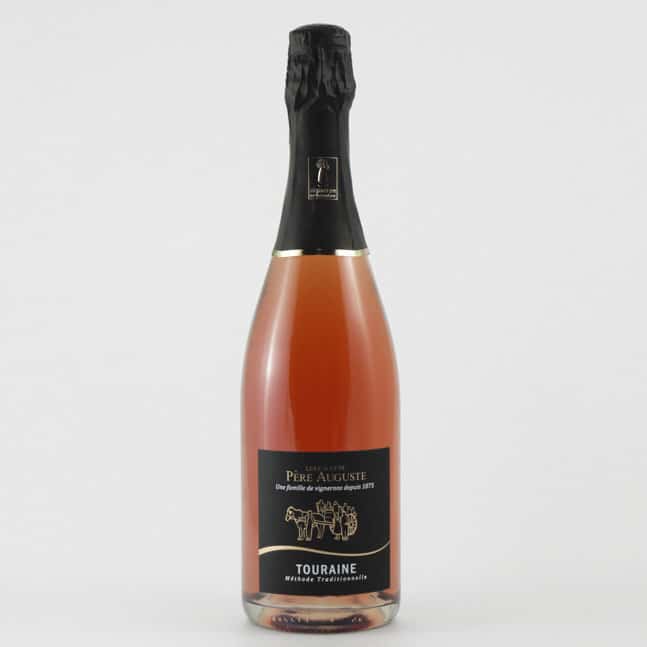
Fines bulles Rosé (Brut ou demi-sec)
Sparkling Rosé Wine - Traditional Method - Loire Valley See life in pink,…
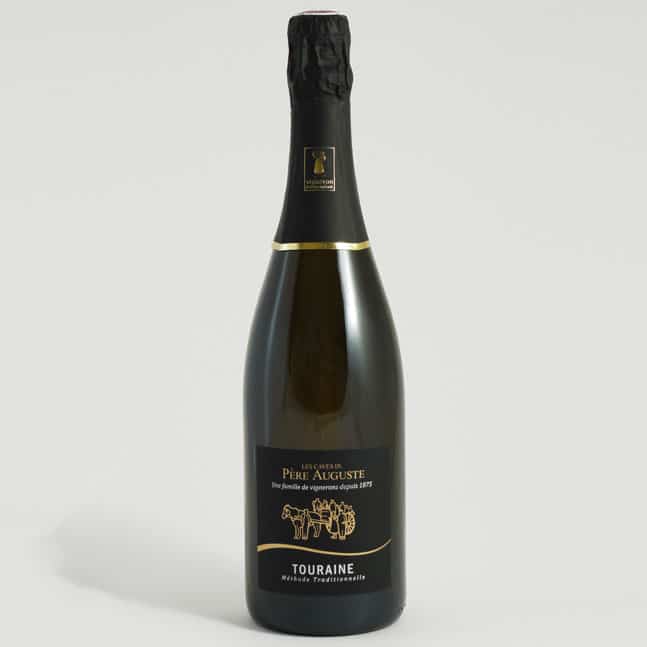
Fines bulles Blanc (Brut ou demi-sec)
Fine Bubbles White Sparkling Wine - Traditional Method AOC Touraine The…
Côt “Les Marreux”
Red Wine Côt AOC Touraine - Cuvée "Les Marreux" The Strength and Heritage…
Chenin Dry
Dry Chenin White Wine AOC Touraine - Freshness and Terroir The elegance of…
Chenin 1/2 sec “Damoiselle”
Medium-Dry Chenin White Wine - "Damoiselle" Cuvée - IGP Val de Loire The…
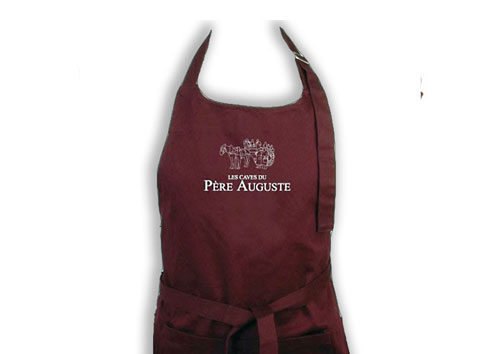
Apron
Robust cotton apron embroidered with our logo. Only in burgundy red. One…
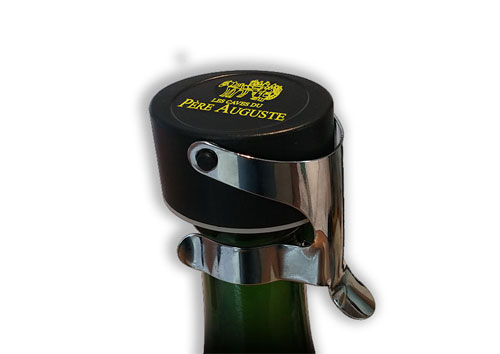
Champagne cork
Keep the bubbles and freshness of your sparkling wines longer!
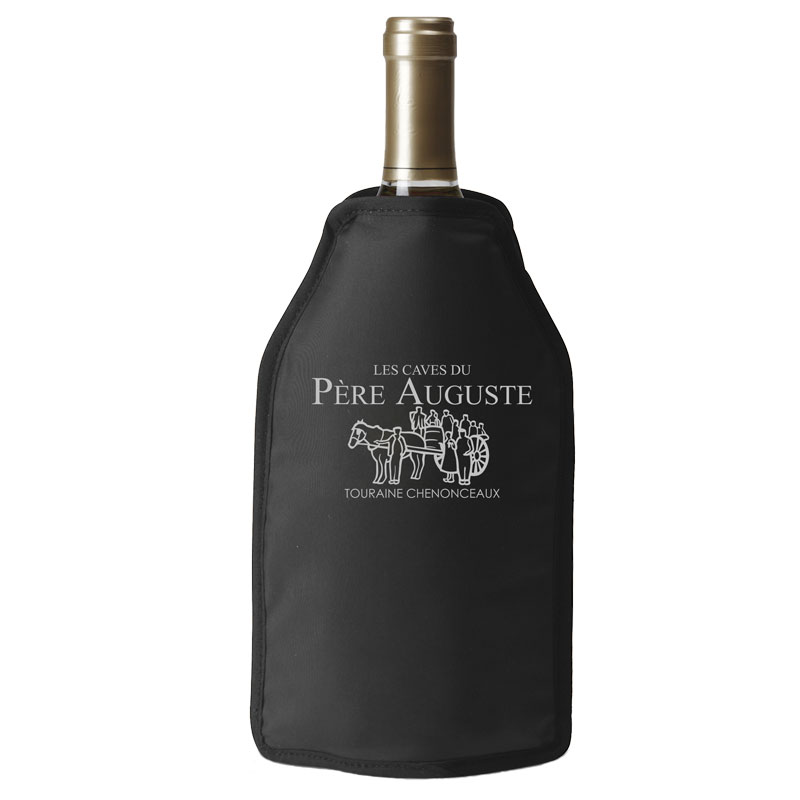
Bottle cooler
Just put it in the freezer. This cooler slips around a bottle and will…
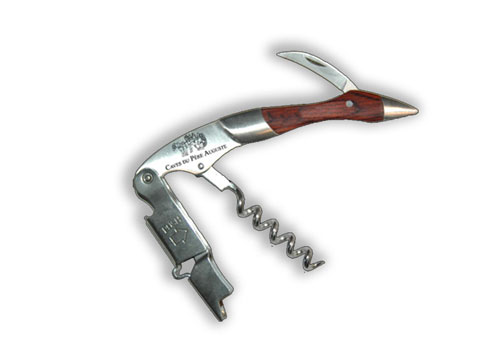
Corkscrew
No cork can resist the force of a sommelier's lever with two points of…
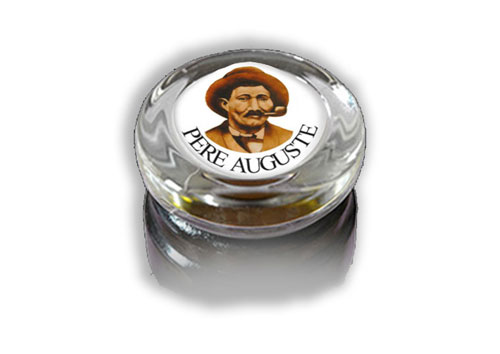
Glass cork
Ideal for closing your wine bottles (except sparkling).
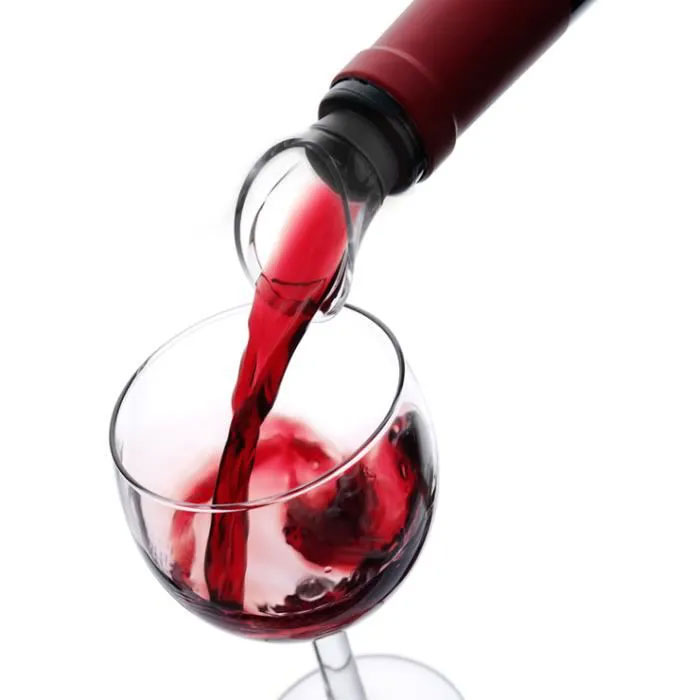
Stop-drop
Pour your wines without a single drop on the table thanks to a double…
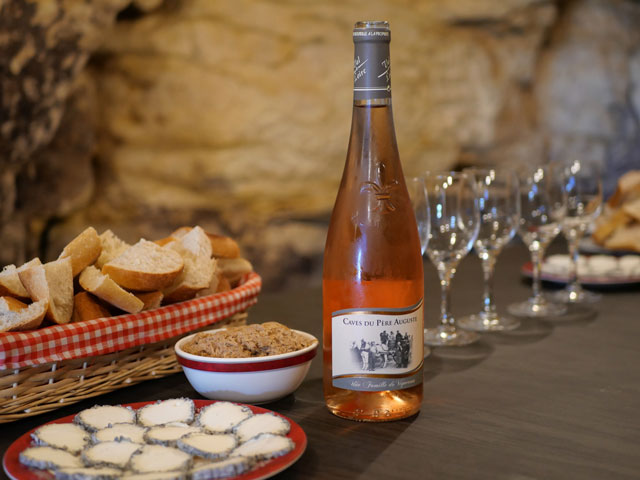
The visit of gourmets (Gift voucher)
Treat a loved one and offer them a tasting visit with an Independent…
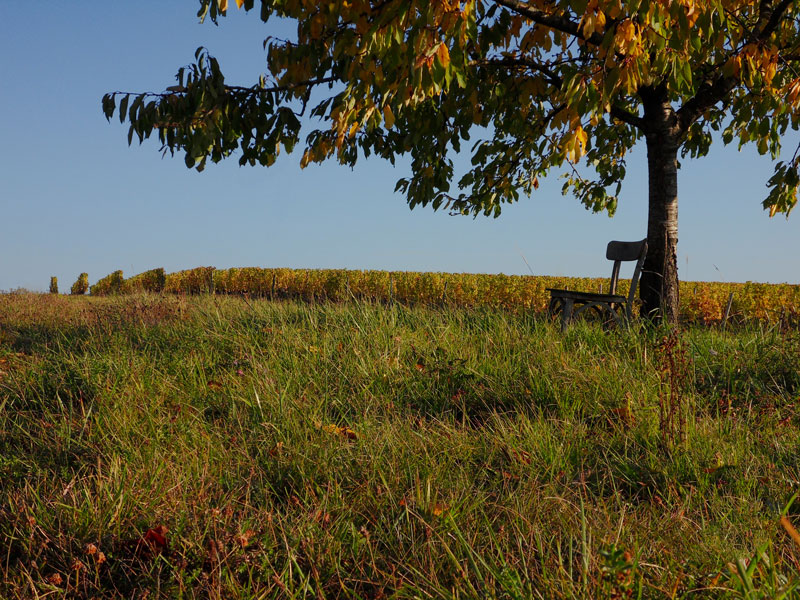
Discovery of the vineyard
On the program, stories, technique, passion, a meeting and of course…
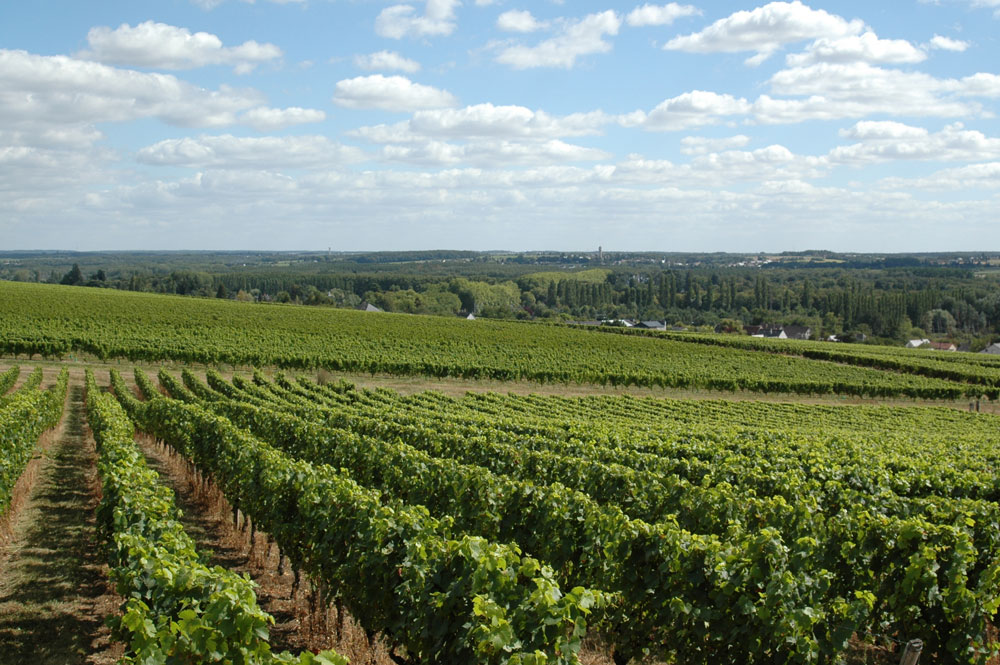
The all thing
On the program, stories, technique, passion, a meeting and of course…
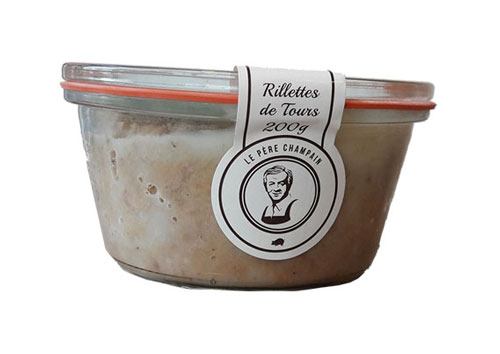
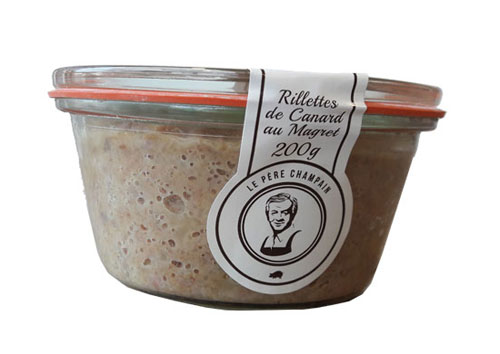
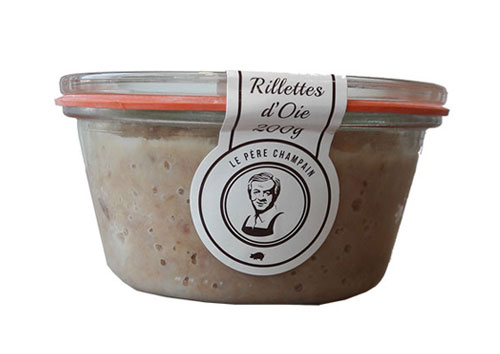
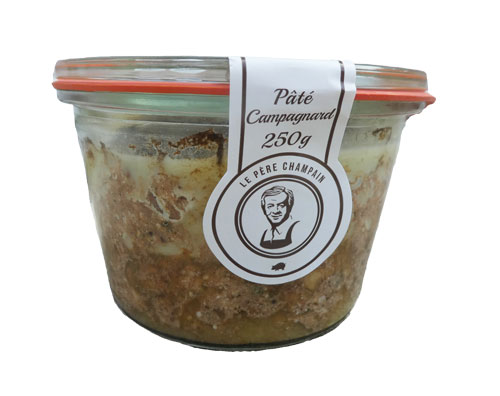
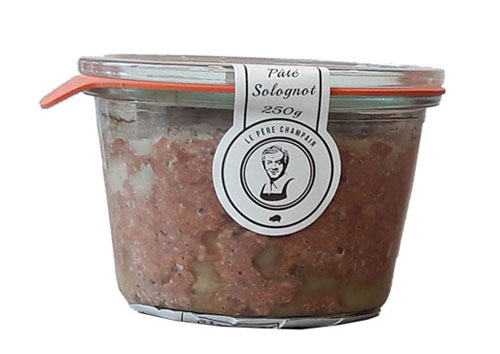
Pâté de Campagne
Weight 250 grams Classic recipe for Pork Pâté, very slightly spicy…
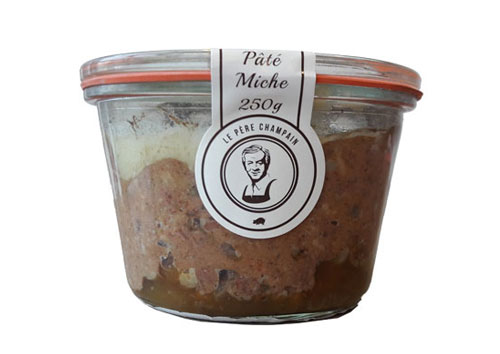
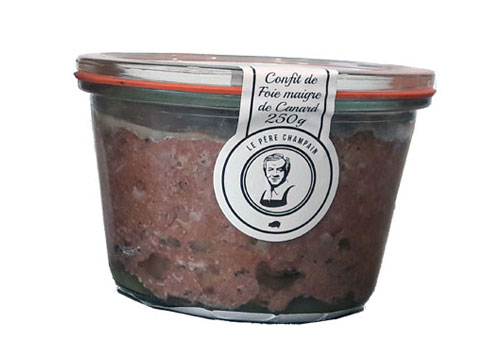
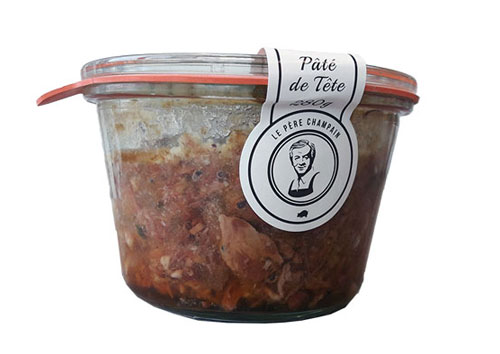
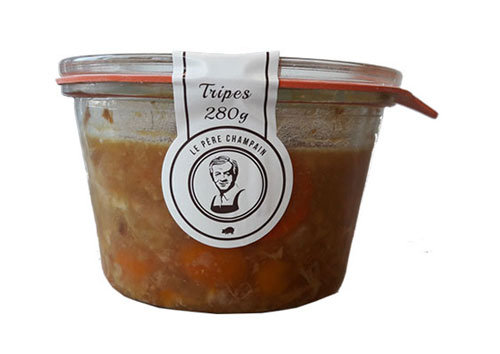
Tripes au vin blanc Vouvray
Weight: 280 grammes