

Gamay
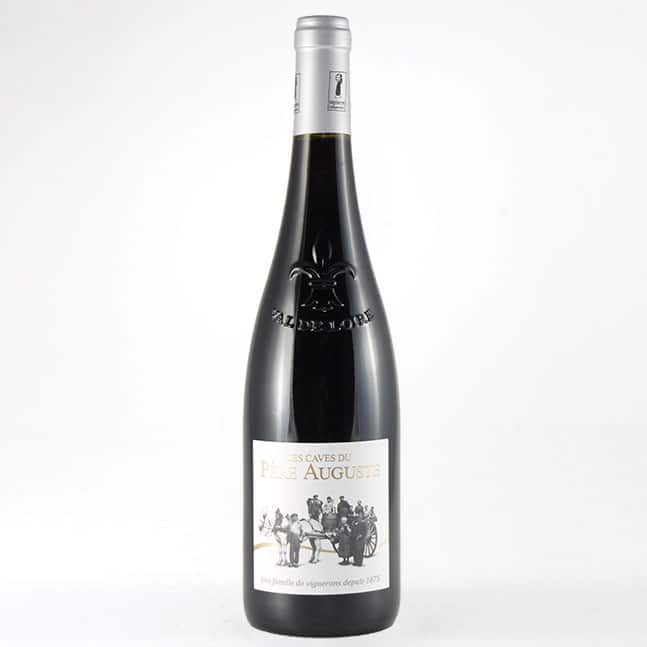
Gamay AOC Touraine Red Wine – Supple, Fresh and Fruity
The sheer pleasure of a light and crisp red. Our Gamay is an invitation to conviviality. The premier grape for lovers of tender red wines, it expresses all its roundness and spring-like aromatic palette on our Civray-de-Touraine soils. It is a “pleasure” wine, easy to drink, seducing with its youth and notes of fresh red fruits. An essential cuvée from Caves du Père Auguste for unpretentious moments of sharing.
Tasting Notes
-
Appearance: A beautiful ruby robe, brilliant and clear, with violet highlights characteristic of its youth.
-
Nose: A luscious bouquet of freshly picked small red fruits (raspberry, wild strawberry) enhanced by a hint of sweet spices (grey pepper).
-
Palate: A supple and silky attack. This is an easy-drinking, “gouleyant” wine with no tannic harshness, where the fruit dominates from start to finish. The finish is fresh and leaves a very pleasant, clean sensation.
Terroir and Winemaking
The GODEAU family crafts this Gamay to extract the purest fruit:
-
Grape Variety: 100% Gamay
-
Terroir: Flinty clays (argiles à silex), which provide finesse and a refreshing quality.
-
Winemaking: Hand-harvested, followed by a short carbonic maceration to emphasize fruit aromas and supple tannins. Aged in vats to preserve the grape’s original freshness.
-
Commitment: Estate certified HVE (High Environmental Value).
Food & Wine Pairing: The wine for every moment
Gamay is one of the rare red wines that pairs with almost anything:
-
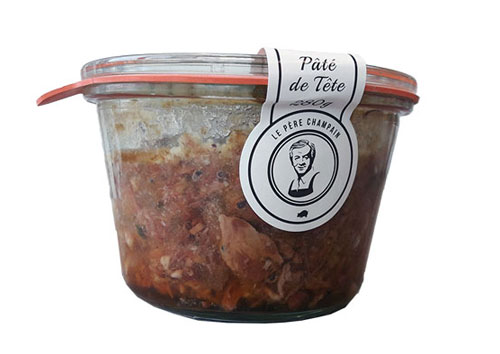
Aperitif: Perfect with a Touraine charcuterie board (Rillettes, Pâté de tête).
-
Main Courses: Ideal with white meats (roast chicken, sautéed pork), summer grills, country-style buffets, and even fish.
-
Cheeses: Wonderfully accompanies soft cheeses (Camembert, Brie).
-
Service: For an optimal experience, serve slightly chilled, between 13°C and 15°C.
A Note from the GODEAU Family
“Gamay is the ultimate wine for friends! It’s the one you open when you want to keep things simple and just enjoy the moment. We vinify it to keep that crunchy side, as if you were biting directly into a cluster of grapes in the vineyard.”
Delivery from 12 bottles in many countries, check the list in the cart
Carbonic maceration: the explosion of fruit at the heart of the grain
Among the various techniques for red wine vinification, carbonic maceration holds a special place. Unlike the traditional method, it does not rely on extraction through contact between the juice and the skins in the vat, but on an internal fermentation, occurring within the grape itself.
An inverted approach to winemaking
To understand carbonic maceration, one must compare it to traditional vinification:
-
In traditional vinification: Grapes are often crushed or de-stemmed to release the juice. Fermentation occurs in the liquid phase within the vat.
-
In carbonic maceration: The process requires whole bunches and intact berries. This is where hand-harvesting becomes imperative to ensure that every grape arrives at the winery without any damage.
How does it work? Intra-cellular fermentation
Once the whole bunches are carefully placed in a vat saturated with carbon dioxide (CO2), a fascinating phenomenon occurs:
-
Anaerobiosis: In the absence of oxygen, each grape berry triggers its own internal metabolism. Enzymes convert sugar into alcohol without the immediate intervention of yeasts.
-
Aroma production: This intracellular fermentation creates unique aromatic precursors.
-
Berry bursting: After a few days, internal pressure causes the berries to burst. The released juice then completes its fermentation in a more conventional manner.
The profile of carbonic maceration wines
Why choose this technique at Domaine du Père Auguste? It allows us to craft radically different red wines, focused on immediate pleasure:
-
Explosive aromas: One finds typical and luscious notes of pear drop (candy), banana, kirsch cherry, and very intense small red fruits.
-
Incomparable suppleness: Since the juice spends very little time in contact with skins and seeds, tannin extraction is very low. The wine is silky, smooth, and free of bitterness.
-
Softened acidity: The berry’s internal metabolism consumes part of the malic acid, resulting in wines that are naturally rounder and less sharp.
These are wines for sharing, ideal for enjoying slightly chilled, expressing all the vibrancy of the grape variety (such as Gamay) from a very young age.
Additional information
| Weight | 1 kg |
|---|
Related products
Côt "Les Marreux"
From 7,00€ ttcCabernet Franc "Les Tailleux"
From 6,60€ ttc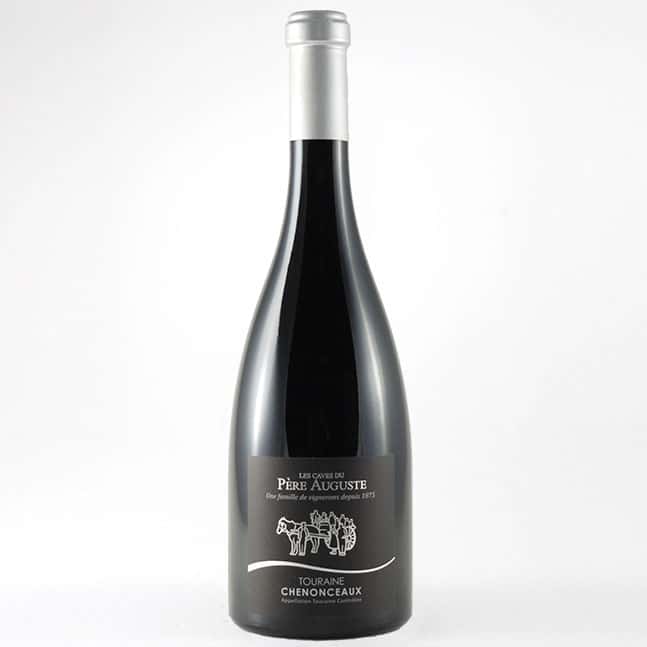
Touraine Chenonceaux Red
From 9,40€ ttcTouraine Chenonceaux Red
Touraine Chenonceaux Red Old Vines Cuvée - Côt and Cabernet Franc The…
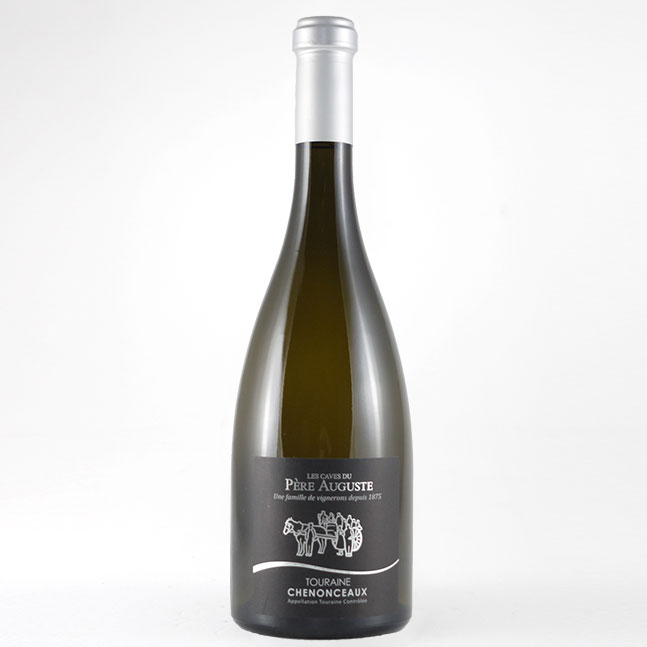
Touraine Chenonceaux White
AOC Touraine Chenonceaux White Wine - Prestige Cuvée The Expression of an…
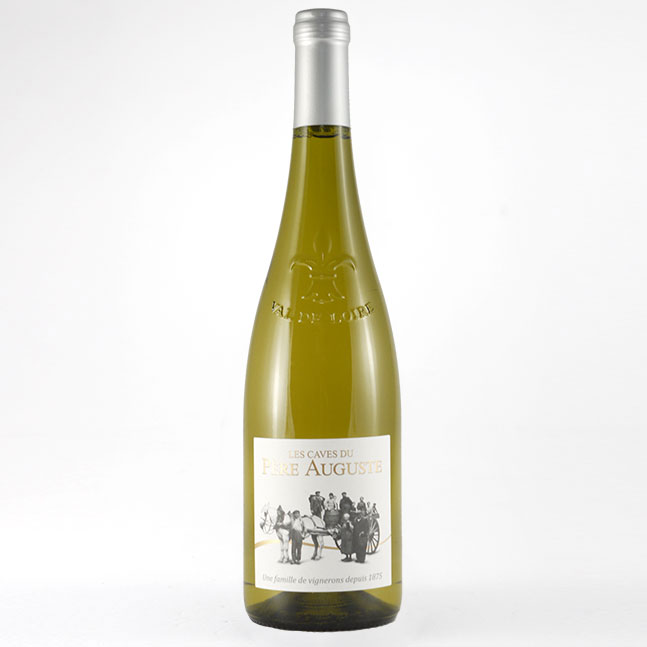
Sauvignon
Sauvignon Blanc AOC Touraine - Freshness and Fruity Aromas The radiance of…
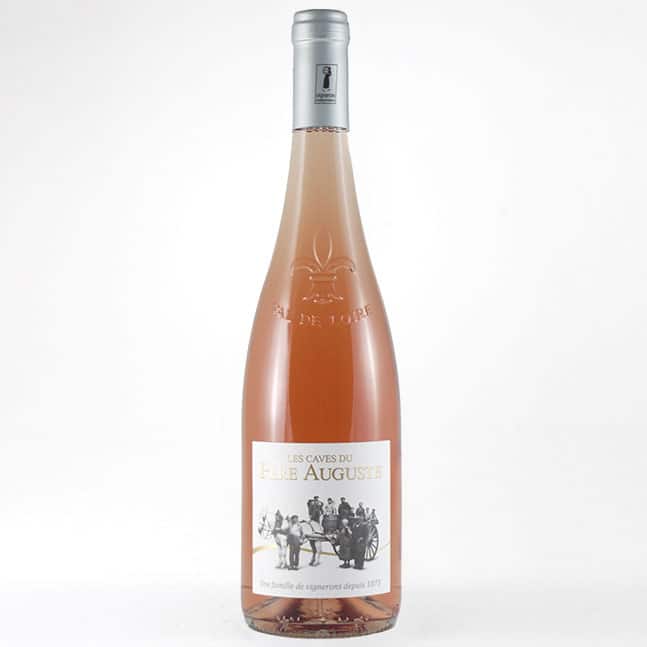
Rosé Sec
Dry Rosé Wine AOC Touraine - Freshness and Fruit The vivid and crisp…
Rosé 1/2 sec “Pastourelle”
Medium-dry Rosé Wine - Cuvée "Pastourelle" - IGP Val de Loire The…
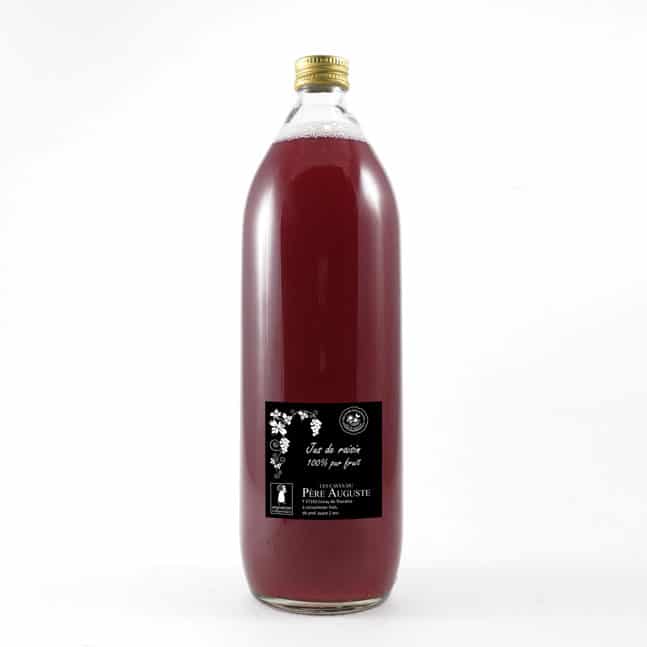
Grape juice
100% pure natural grape juice obtained very simply, out of the press it…
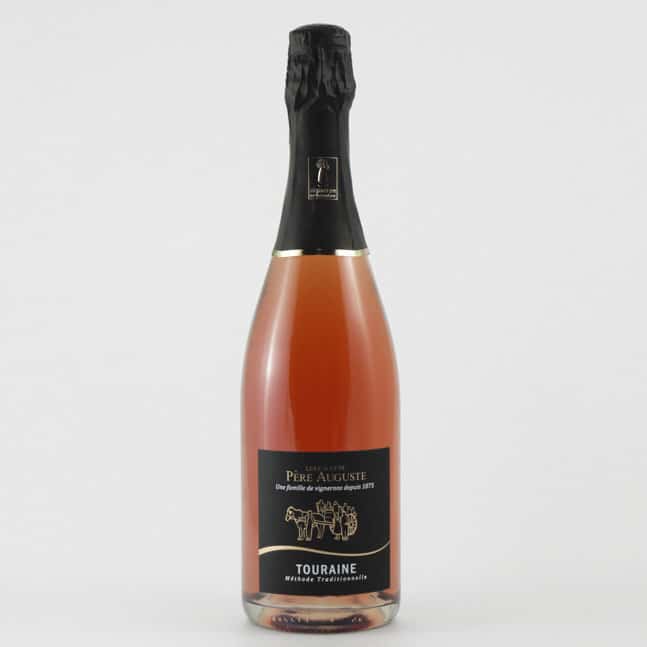
Fines bulles Rosé (Brut ou demi-sec)
Sparkling Rosé Wine - Traditional Method - Loire Valley See life in pink,…
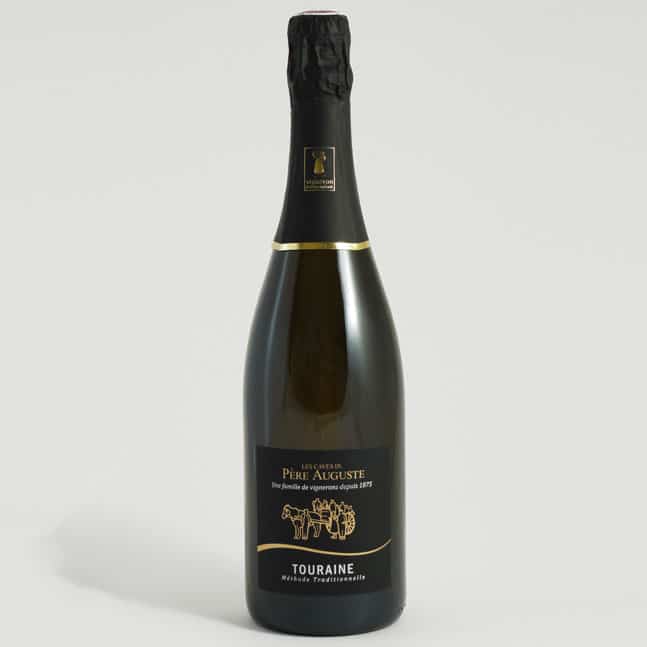
Fines bulles Blanc (Brut ou demi-sec)
Fine Bubbles White Sparkling Wine - Traditional Method AOC Touraine The…
Côt “Les Marreux”
Red Wine Côt AOC Touraine - Cuvée "Les Marreux" The Strength and Heritage…
Chenin Dry
Dry Chenin White Wine AOC Touraine - Freshness and Terroir The elegance of…
Chenin 1/2 sec “Damoiselle”
Medium-Dry Chenin White Wine - "Damoiselle" Cuvée - IGP Val de Loire The…
Cabernet Franc “Les Tailleux”
Cabernet Franc Red Wine "Les Tailleux" AOC Touraine - Structure and…
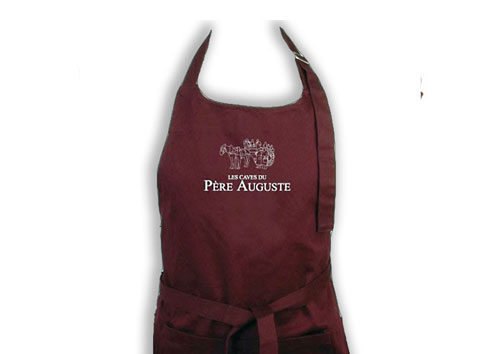
Apron
Robust cotton apron embroidered with our logo. Only in burgundy red. One…
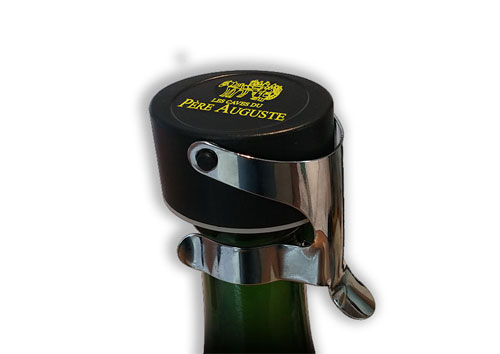
Champagne cork
Keep the bubbles and freshness of your sparkling wines longer!
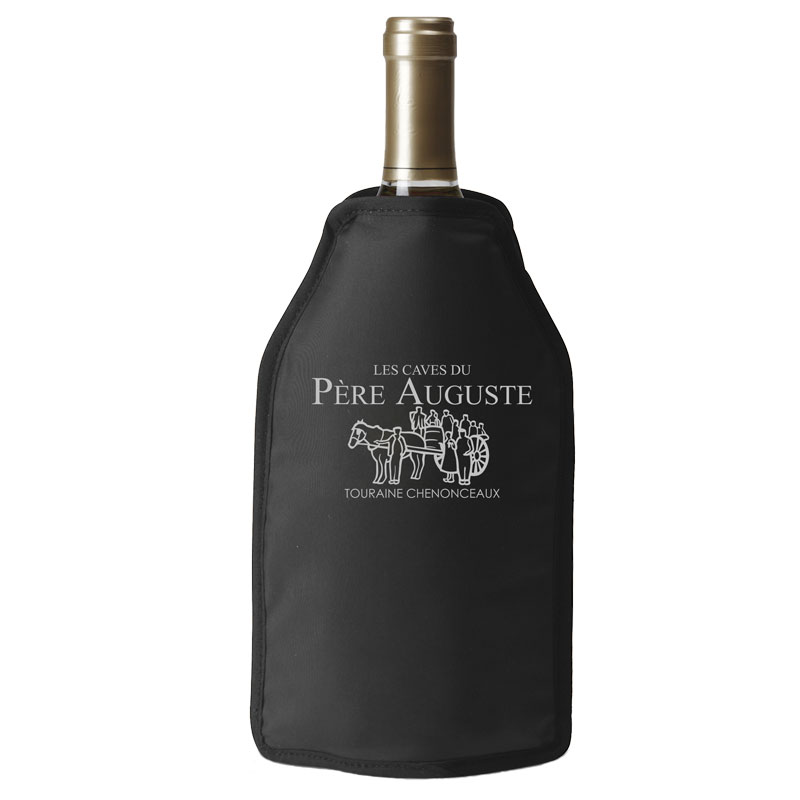
Bottle cooler
Just put it in the freezer. This cooler slips around a bottle and will…
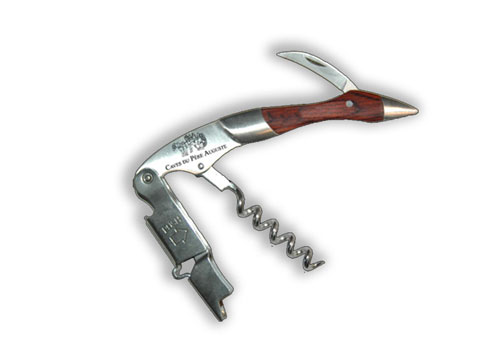
Corkscrew
No cork can resist the force of a sommelier's lever with two points of…
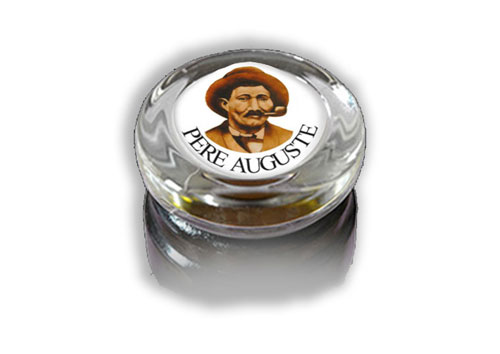
Glass cork
Ideal for closing your wine bottles (except sparkling).
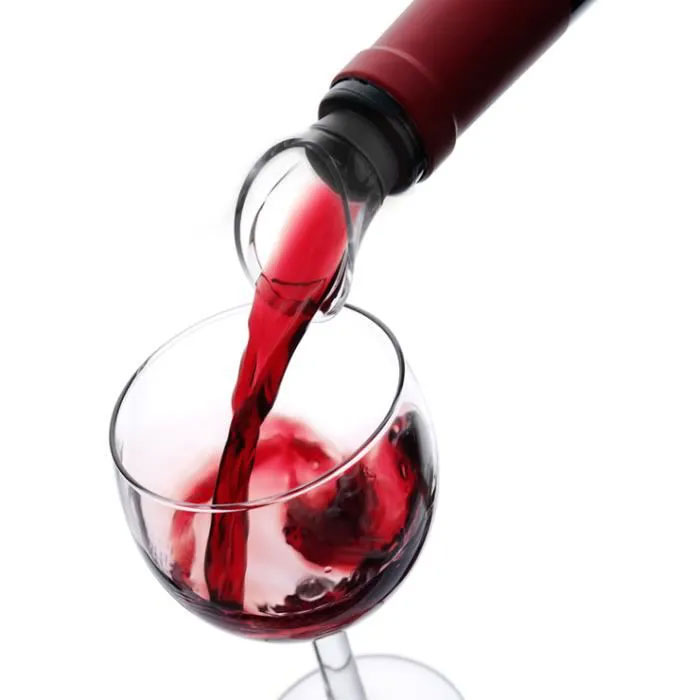
Stop-drop
Pour your wines without a single drop on the table thanks to a double…
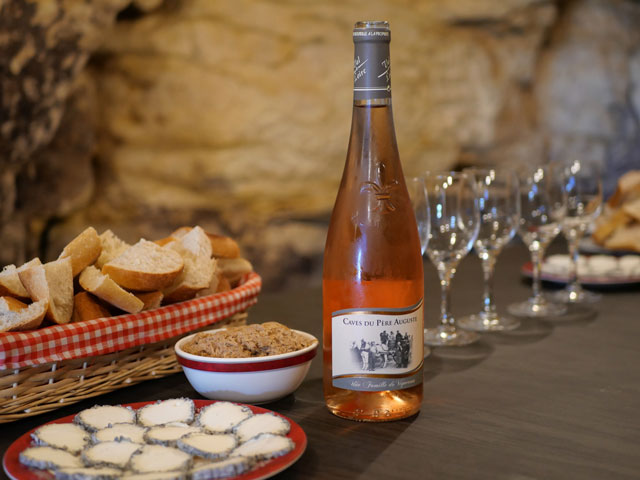
The visit of gourmets (Gift voucher)
Treat a loved one and offer them a tasting visit with an Independent…
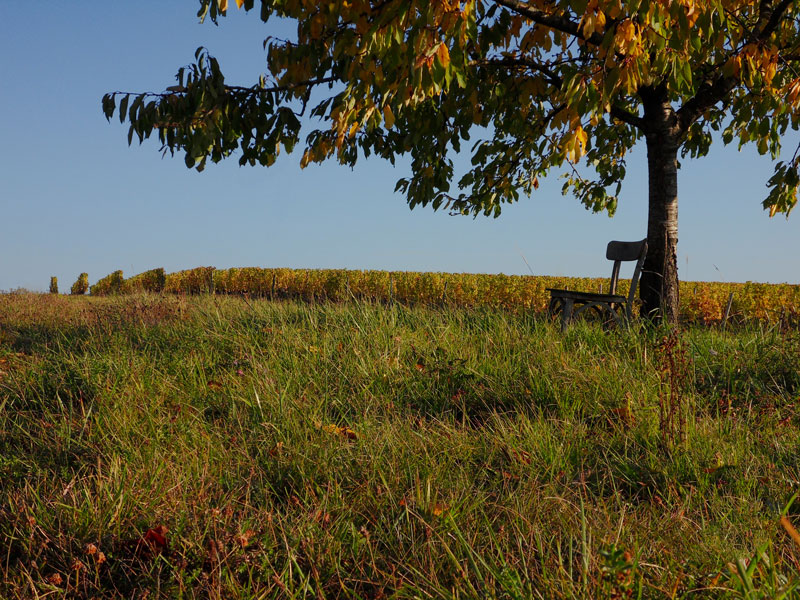
Discovery of the vineyard
On the program, stories, technique, passion, a meeting and of course…
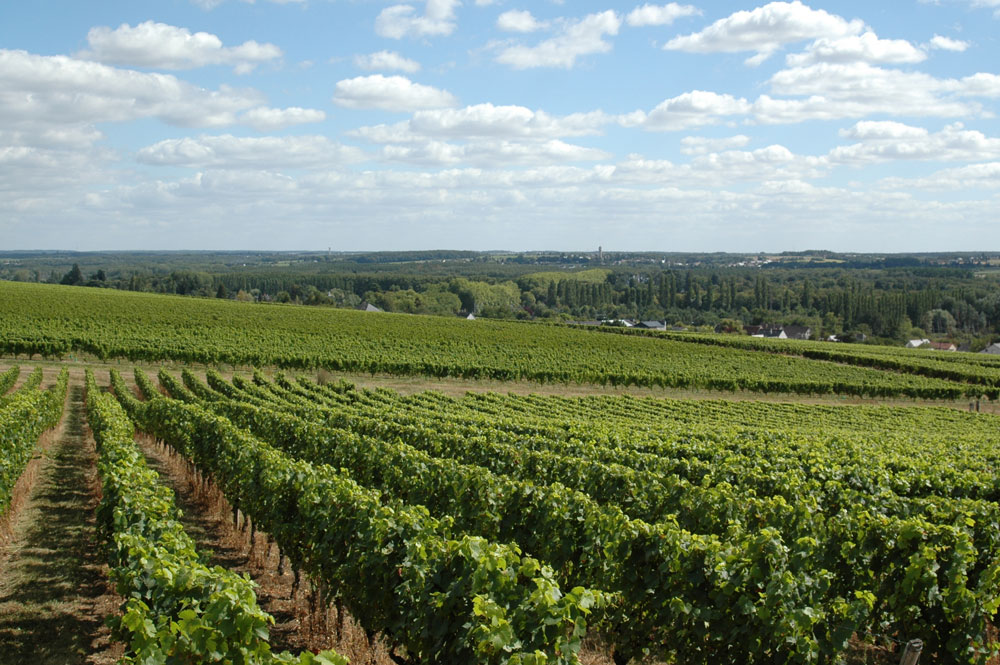
The all thing
On the program, stories, technique, passion, a meeting and of course…
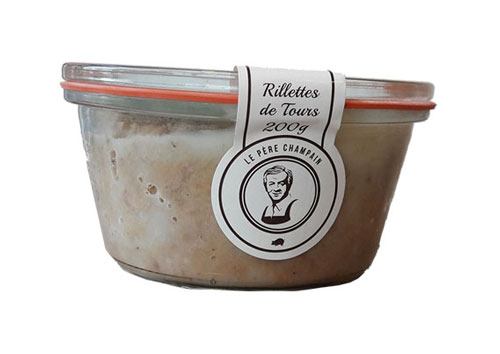
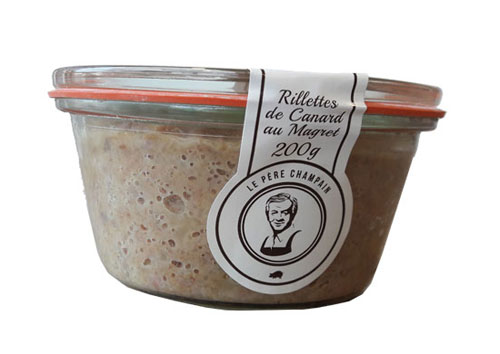
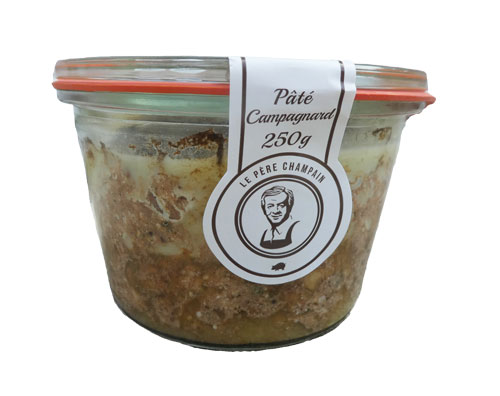
Pâté de Campagne
Weight 250 grams Classic recipe for Pork Pâté, very slightly spicy…
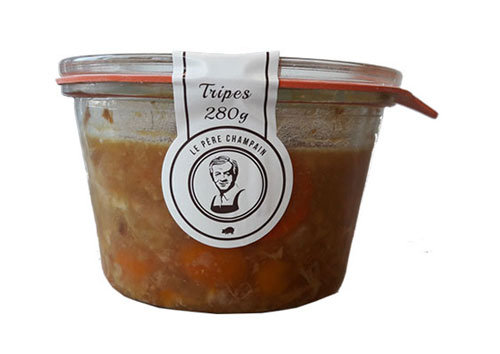
Tripes au vin blanc Vouvray
Weight: 280 grammes